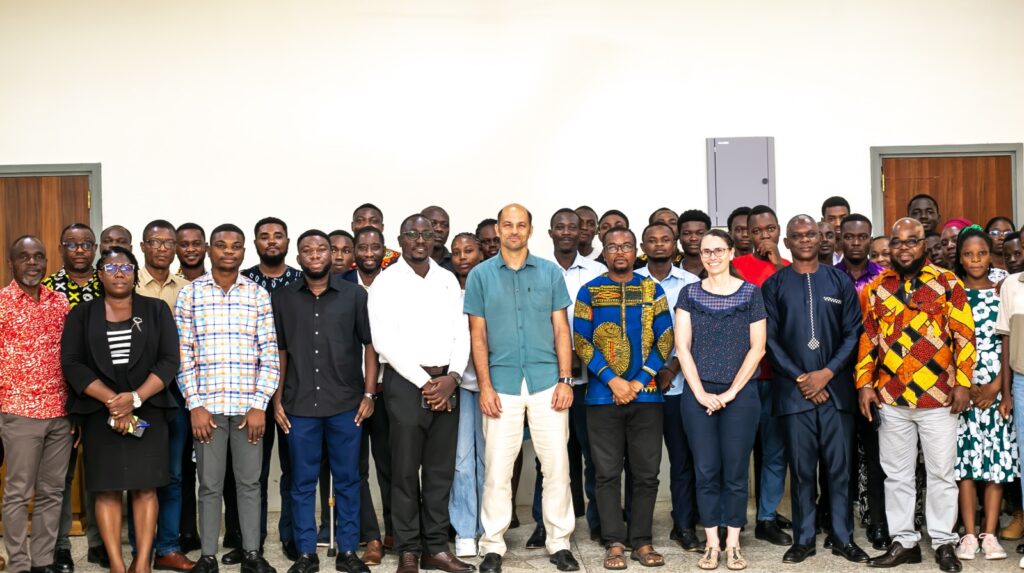


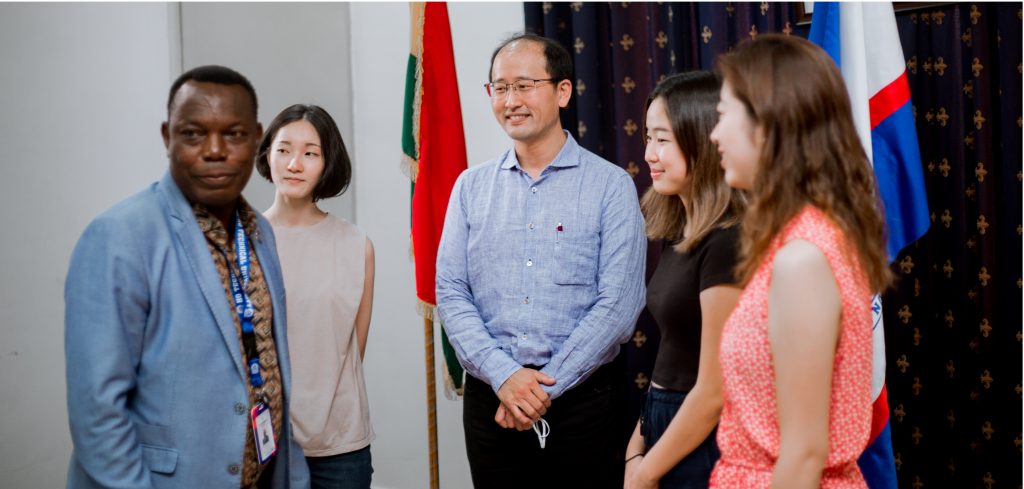
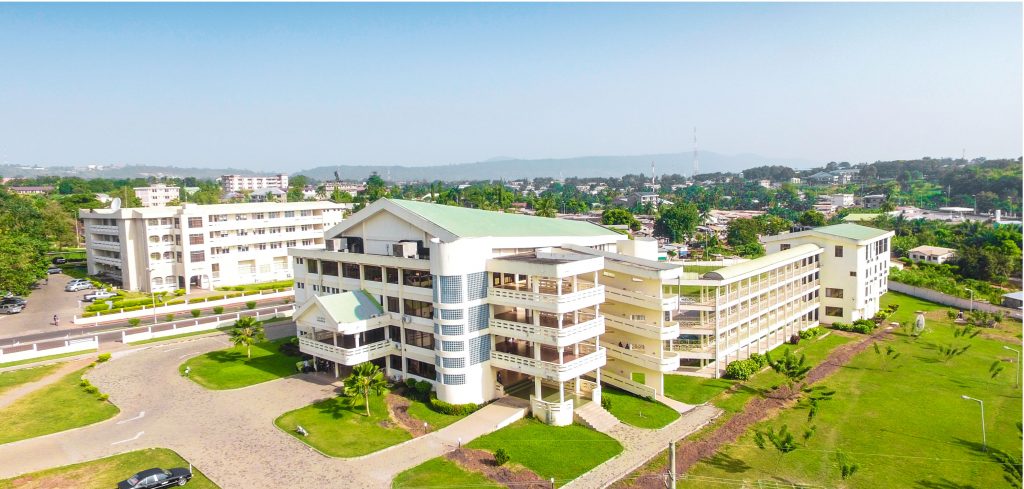

The Solar Technology Application Resource Centre (STAR-C) at Ho Technical University commenced a week-long training programme on Solar Technology Applications and Government Solar Programmes on Monday, May 25, 2026.
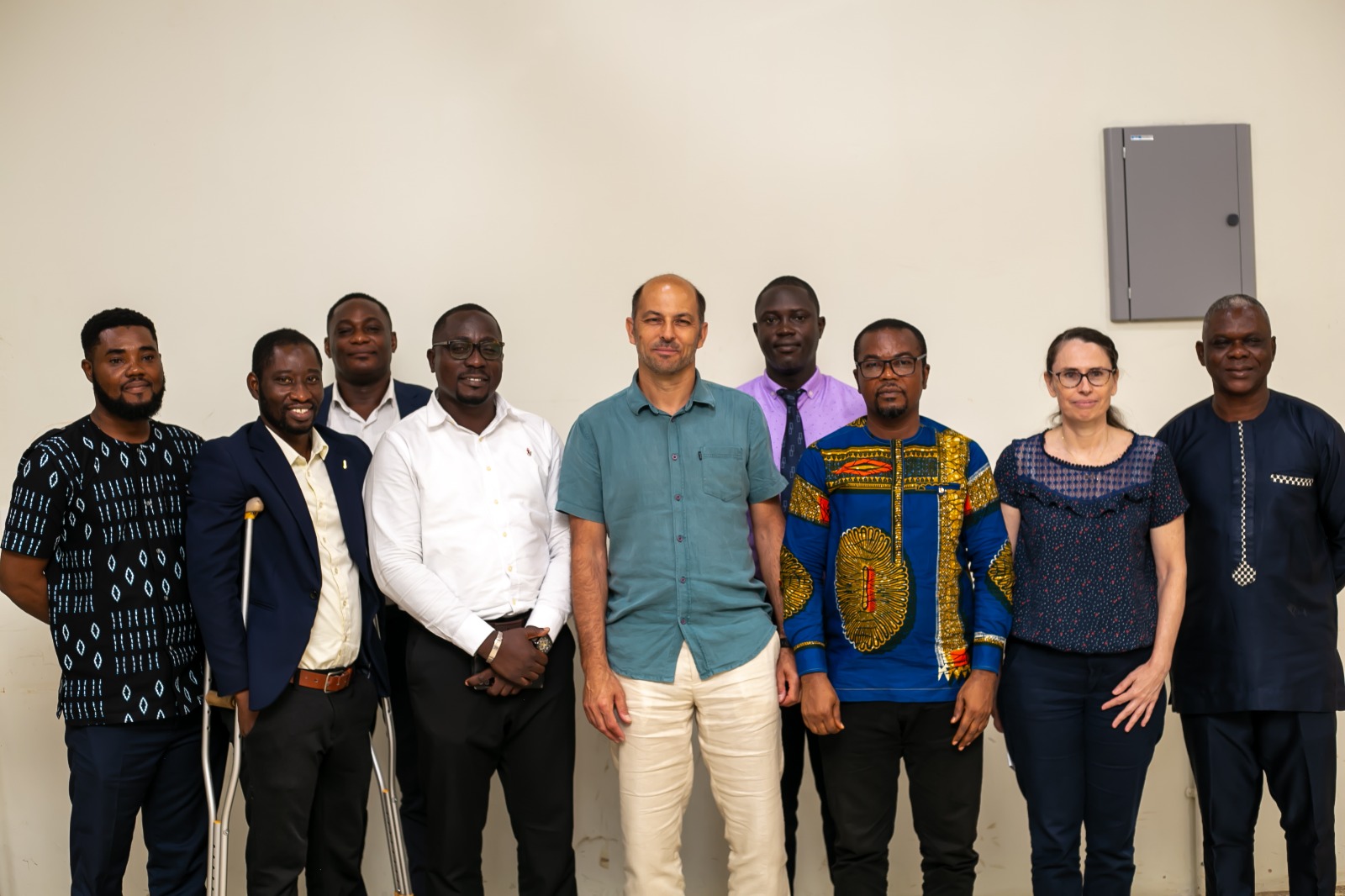
Organized in collaboration with the International Solar Alliance (ISA), Ecora Institute, and Plan4All, the initiative is building capacity among 27 selected public sector officials in planning, financing, and implementing solar energy projects.
Opening the programme, Prof. Christopher Mensah, Pro Vice-Chancellor of Ho Technical University, emphasized the strategic importance of solar energy for Ghana’s development.
“This workshop is organized to convince decision-makers of the viability of solar energy and to equip them with the tools to drive its adoption,” he said. “Solar offers a practical and sustainable solution that powers industry, empowers communities, and transforms lives.”
Prof. Mensah commended the programme’s holistic design, which integrates technical training with financing, regulation, project bankability, risk mitigation, and implementation roadmaps. He urged participants to engage fully, share experiences, and tap into the expertise of international trainers and partners.
“Ecora Institute and Plan4All bring the global solidarity required to scale renewable infrastructure,” he added, before officially declaring the workshop open.
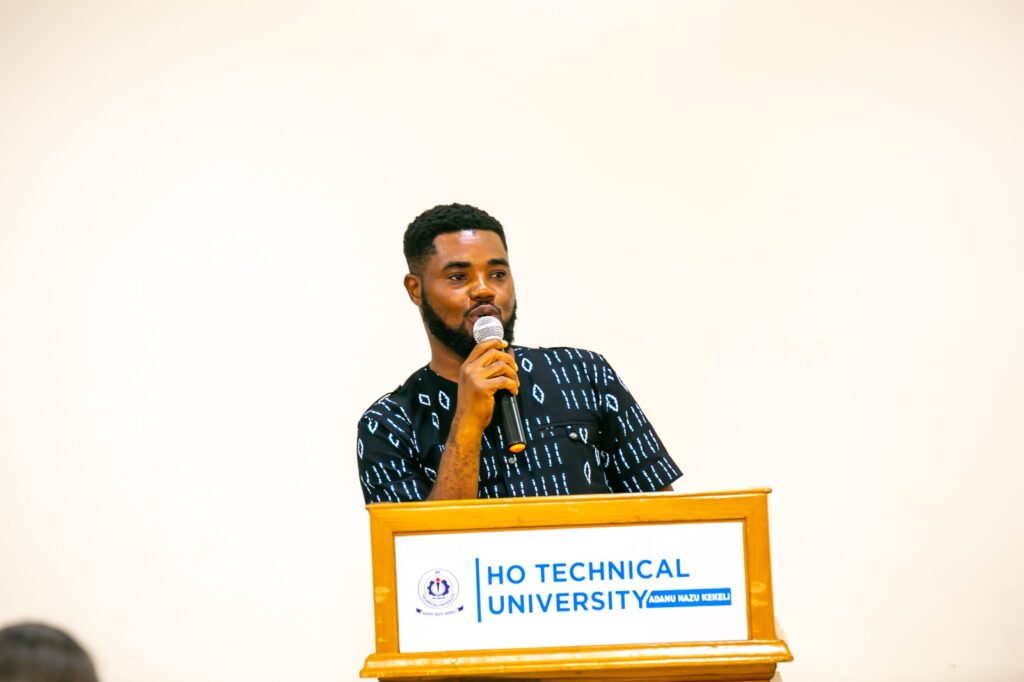
Prof. Courage Dzah, Coordinator of the training, reaffirmed STAR-C’s role in Ghana’s renewable energy transition. Hosted by HTU, the Centre is positioned to lead the country’s solar agenda by providing capacity-building for policymakers and implementers on solar and grid deployment.
He challenged participants to take full advantage of the sessions: “Your active involvement will be crucial in shaping policies and programmes that expand access to renewable energy. STAR-C stands as both a knowledge hub and a driver of national capacity.”
Three facilitators are leading the training: Olivier Oerdiel and Melode De l’Epine from France, alongside Ghanaian expert Dennis Winedu Asare.
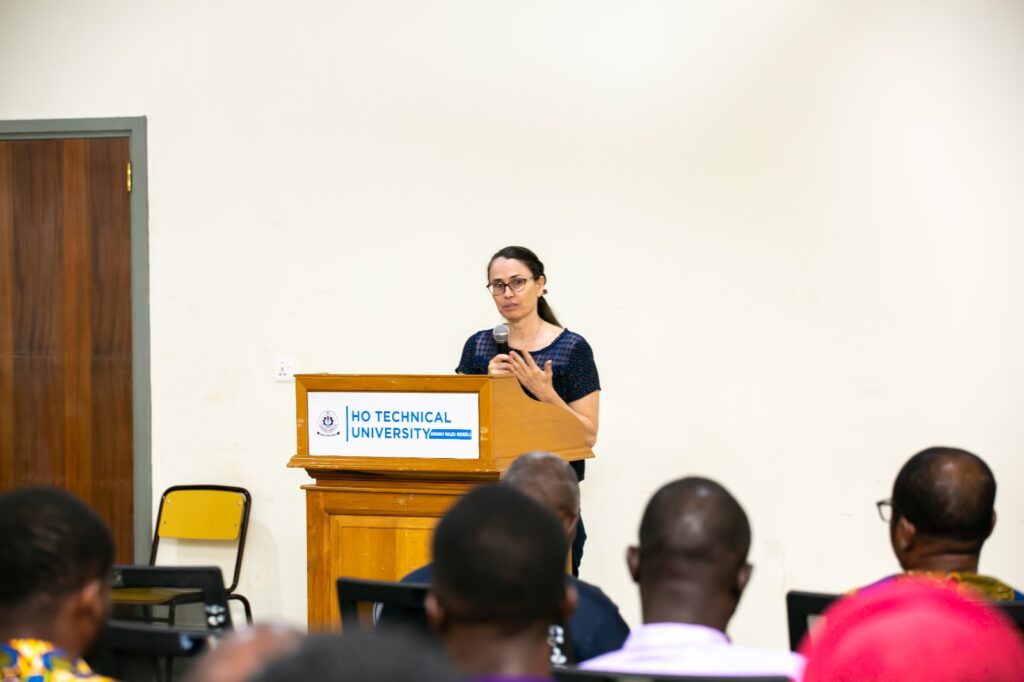
In a remark, Melode De l’Epine highlighted the global solar revolution, noting that 700 gigawatts of solar capacity was installed worldwide last year, making solar the cheapest energy source on the planet. She described this as a transformation comparable to the agricultural and digital revolutions, and encouraged Ghana to leverage the momentum by integrating financing, regulation, and policy frameworks into its solar agenda.
The five-day programme covers solar technologies and markets, project financial analysis, decentralized solar programmes, mini-grid systems, and culminates in a site visit and policy development workshop. Through interactive lectures, simulations, peer learning, and field exercises, the training underscores Ho Technical University’s commitment to bridging academic knowledge with practical application and positioning its professionals as leaders in Ghana’s renewable energy transition.