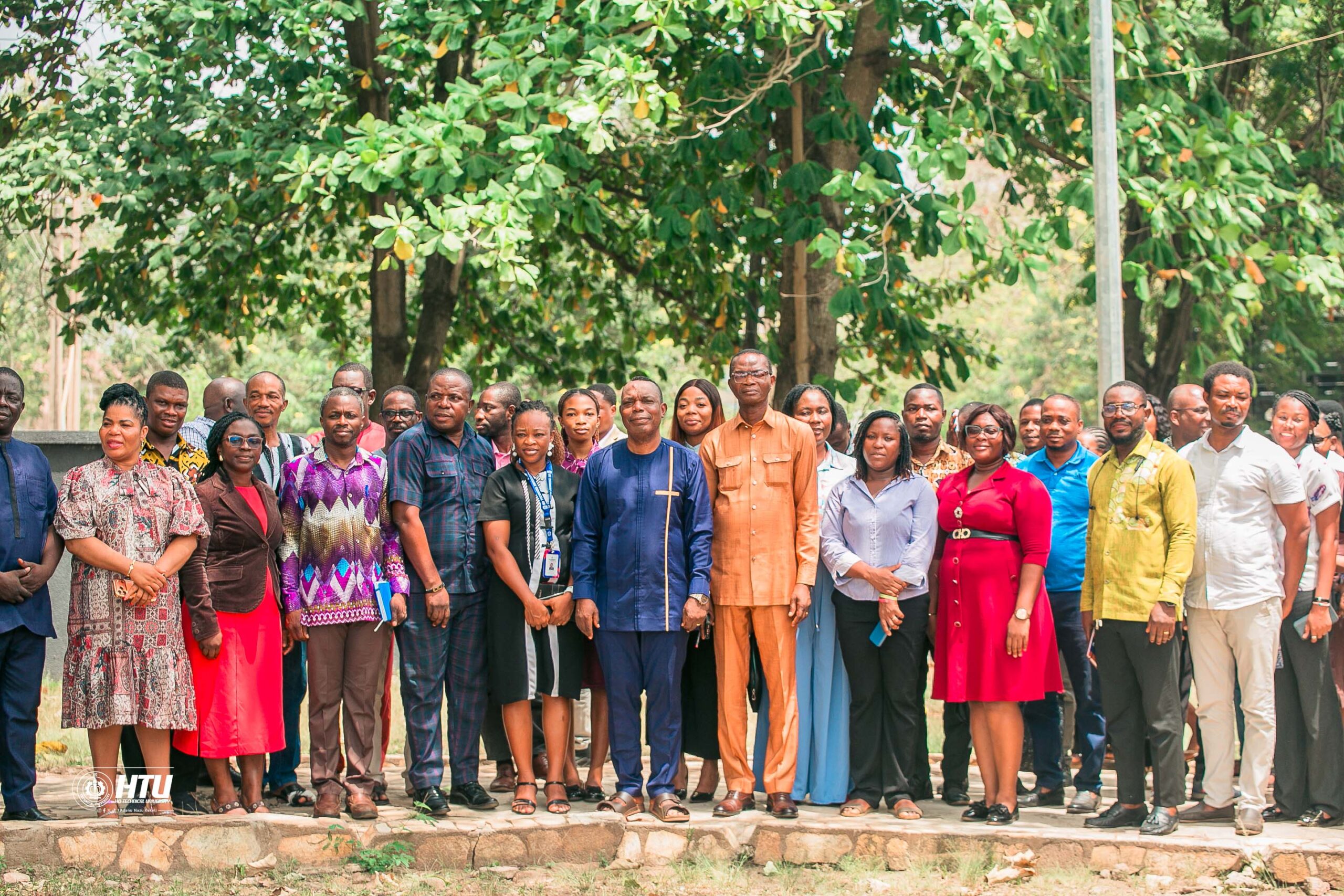





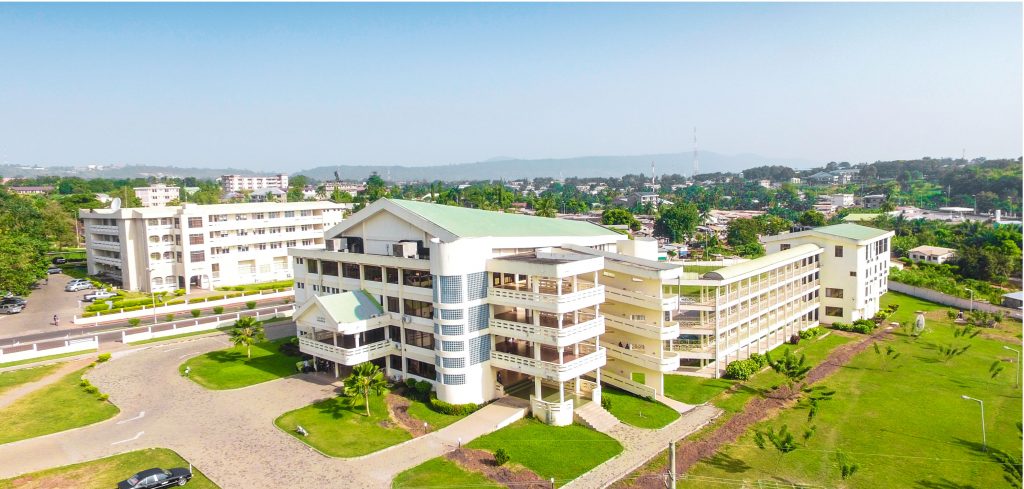

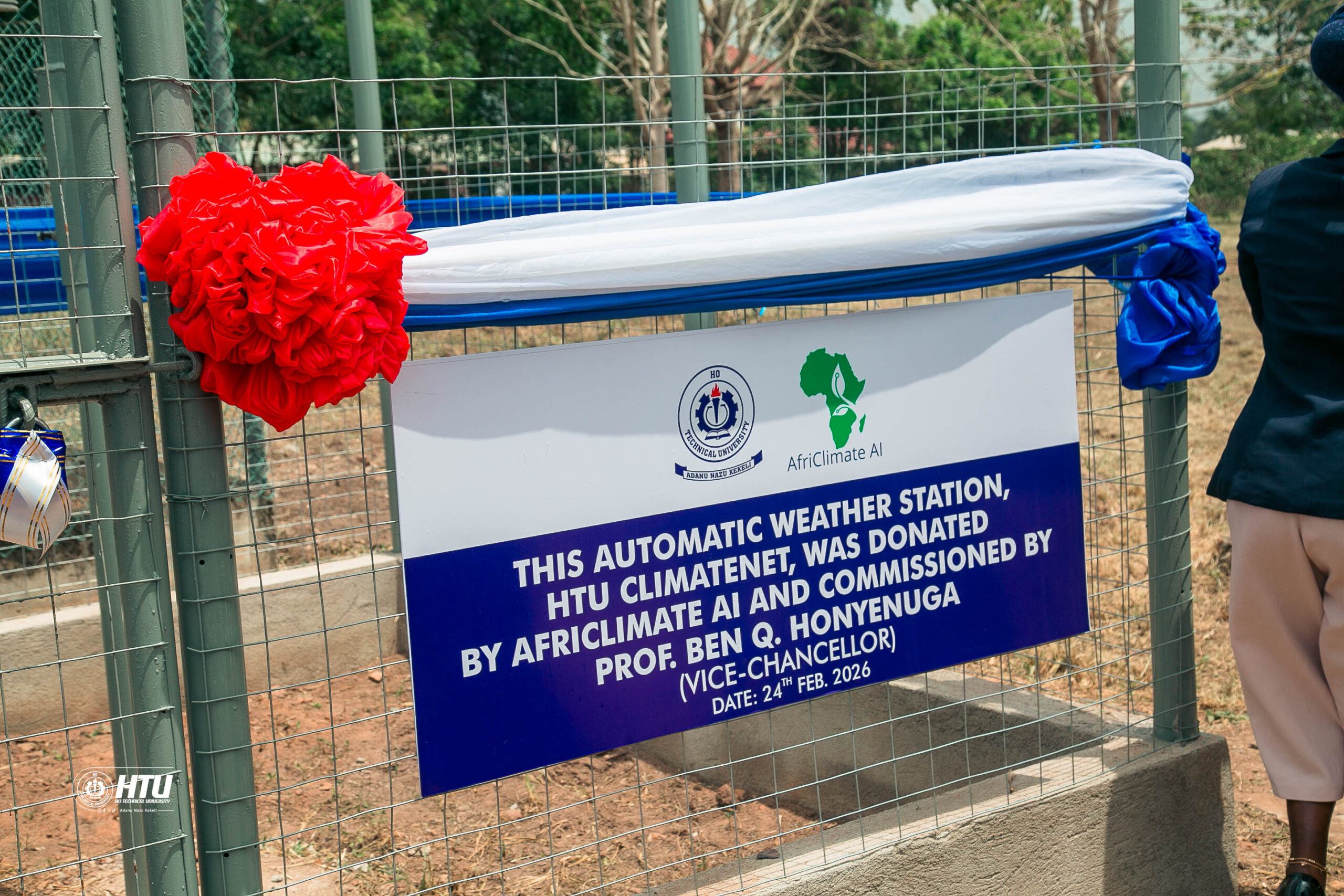
Ho Technical University (HTU) has commissioned a modern Automatic Weather Station (AWS), a landmark facility expected to transform climate research, teaching, and extension services in Ghana. The commissioning ceremony, held on Tuesday, February 24, 2026, at the STAR-C, brought together dignitaries from academia, government agencies, and environmental institutions.
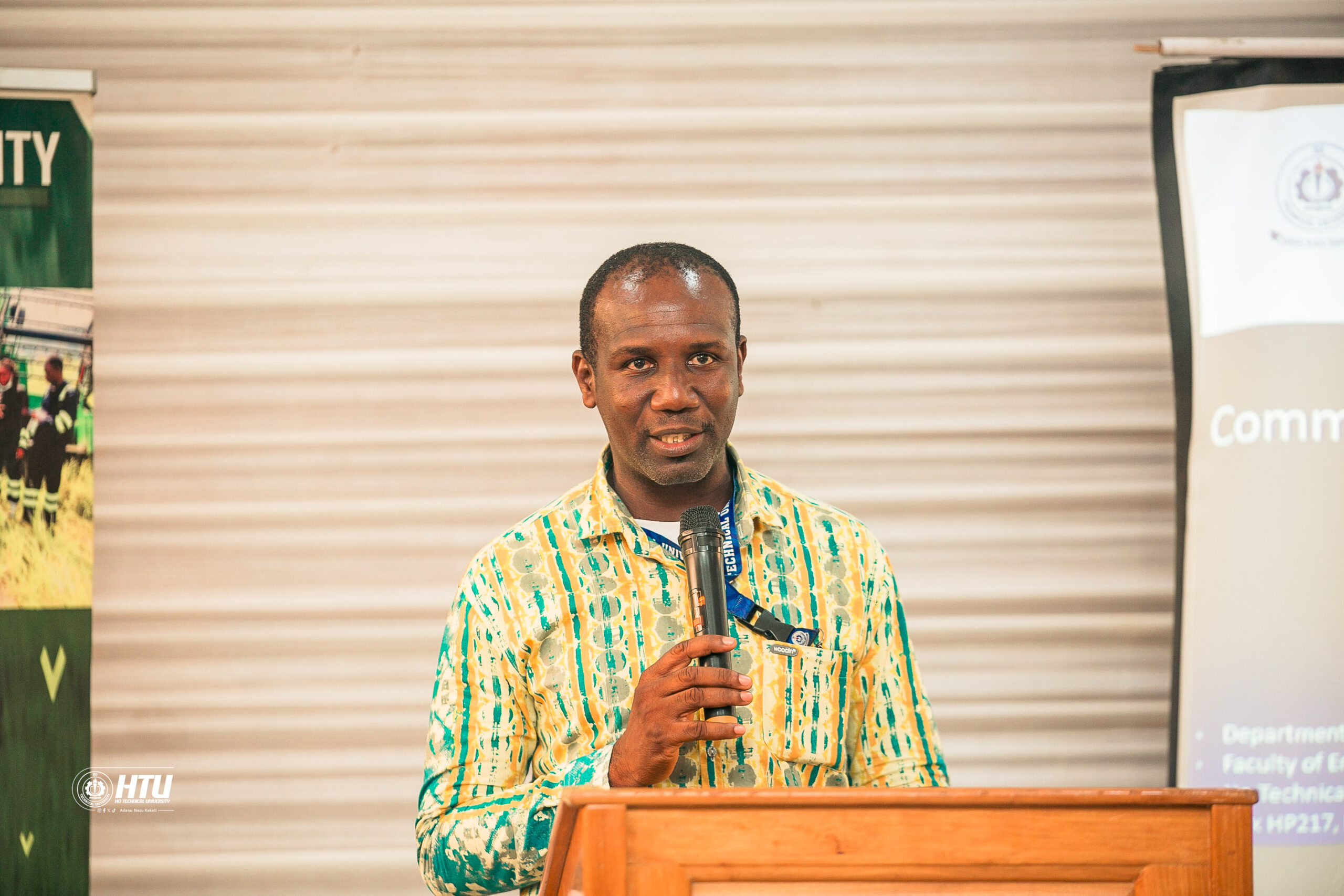
In his keynote address, the Vice-Chancellor, Professor Ben Q. Honyenuga, described the facility as “a critical point of information for the region, the country, and even our neighbors,” urging faculty, students, and industry professionals to utilize it responsibly. He commended Ing. Benjamin Wullobayi Dekongmen, whose initiative at the 2025 African Climate AI Conference in Kigali secured the equipment for HTU, noting that his dedication to enhancing climate intelligence was “an inspiration to all.”
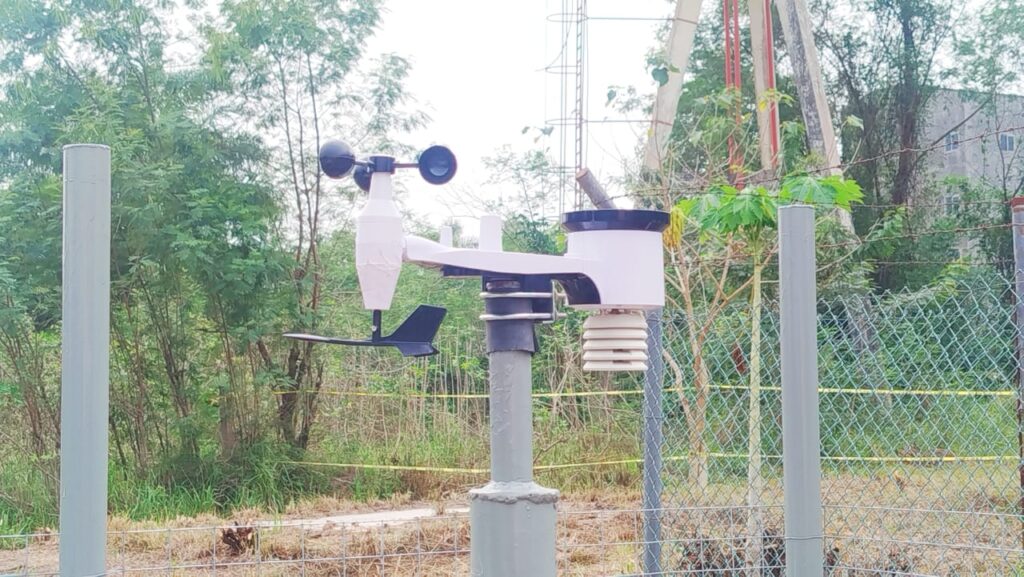
The AWS, a WS2910 Wi-Fi Weather Station powered by solar energy, is equipped with a 7-inch wireless outdoor sensor capable of generating eight climatic datasets, including temperature, humidity, rainfall, wind speed and direction, solar radiation, and ultraviolet index. HTU is the only university in Africa to host this modern version, making it the 20th AWS on the continent, the Vice-Chancellor noted.
Dean of Faculty of Engineering, Prof. Maxwell Akple, and Head of Agricultural Engineering Department, Dr. Bismark Mensah-Brako, welcomed the facility as a game-changer. Prof. Akple noted that it would provide hands-on skills and real-time data for departments such as civil engineering, agricultural engineering, hydrology, and environmental science. He recalled the struggles of researchers who previously had to pay for climate data, stressing that the AWS would ease access and strengthen publications.

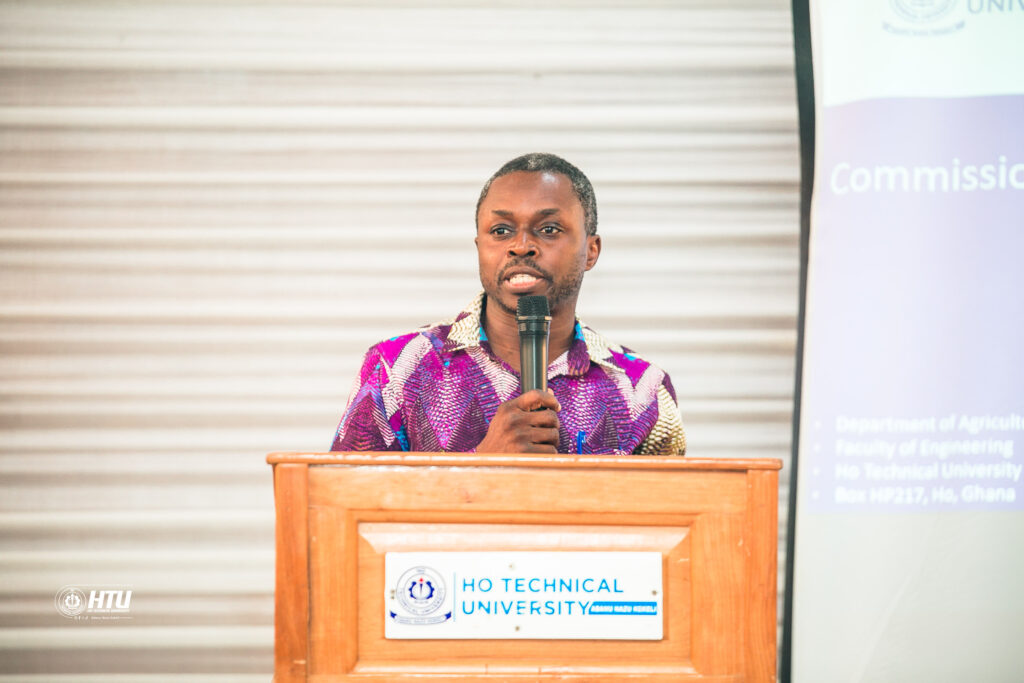
Similarly, Prof. Amos Tiereyangn Kabo-Bah, Dean of International Relations at the University of Energy and Natural Resources (UENR), envisioned the AWS evolving into a Center of Excellence for Climate Monitoring within five years. He underscored its potential to support agriculture, insurance, and national development by providing reliable forecasting data, and expressed UENR’s readiness to collaborate with HTU to enhance climate research in the country.
Officials from the Environmental Protection Authority (EPA) and the Ghana Meteorological Agency also lauded the initiative as timely, given Ghana’s environmental challenges such as droughts, tidal waves, and coastal inundation. They emphasized that the AWS would enhance predictive research and provide real-time data to support environmental protection and policy-making.
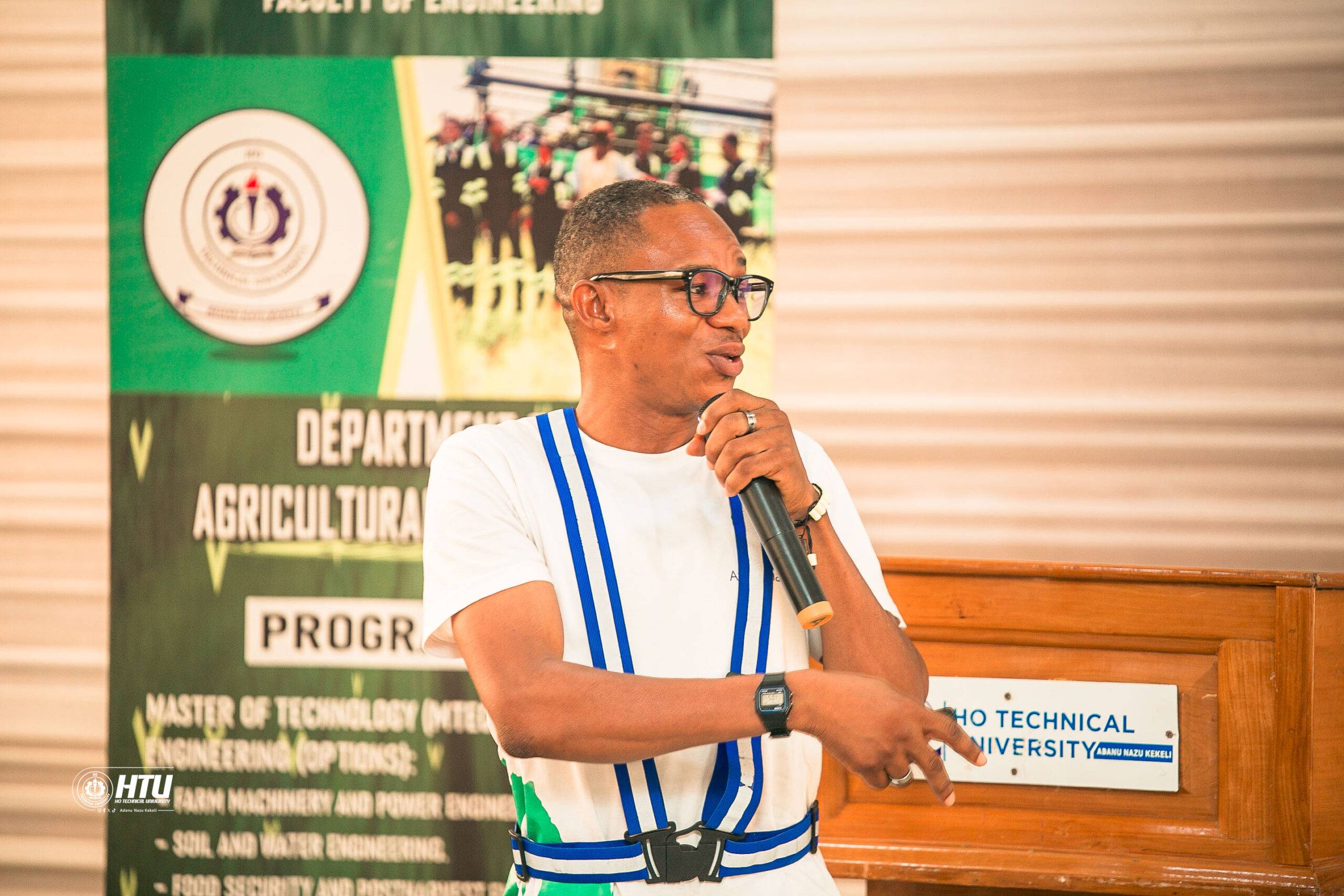
The commissioning ceremony, which featured a demonstration of the weather station by Ing. Dekongmen, reaffirmed HTU’s commitment to sustainability, innovation, and national development.
Beyond its local impact, the AWS positions HTU as a key contributor to the United Nations Sustainable Development Goals (SDGs), particularly SDG 4 (Quality Education), SDG 7 (Affordable and Clean Energy), SDG 9 (Industry, Innovation, and Infrastructure), SDG 11 (Sustainable Cities and Communities), SDG 13 (Climate Action), and SDG 15 (Life on Land). By harnessing this facility, HTU is not only advancing research and training but also aligning its vision with the global agenda for a sustainable future.