





Ho Technical University (HTU) has affirmed its commitment to integrating Artificial Intelligence (AI) and emerging technologies into its academic programmes, research agenda, and industry collaborations, as part of efforts to remain relevant in a rapidly evolving digital world.
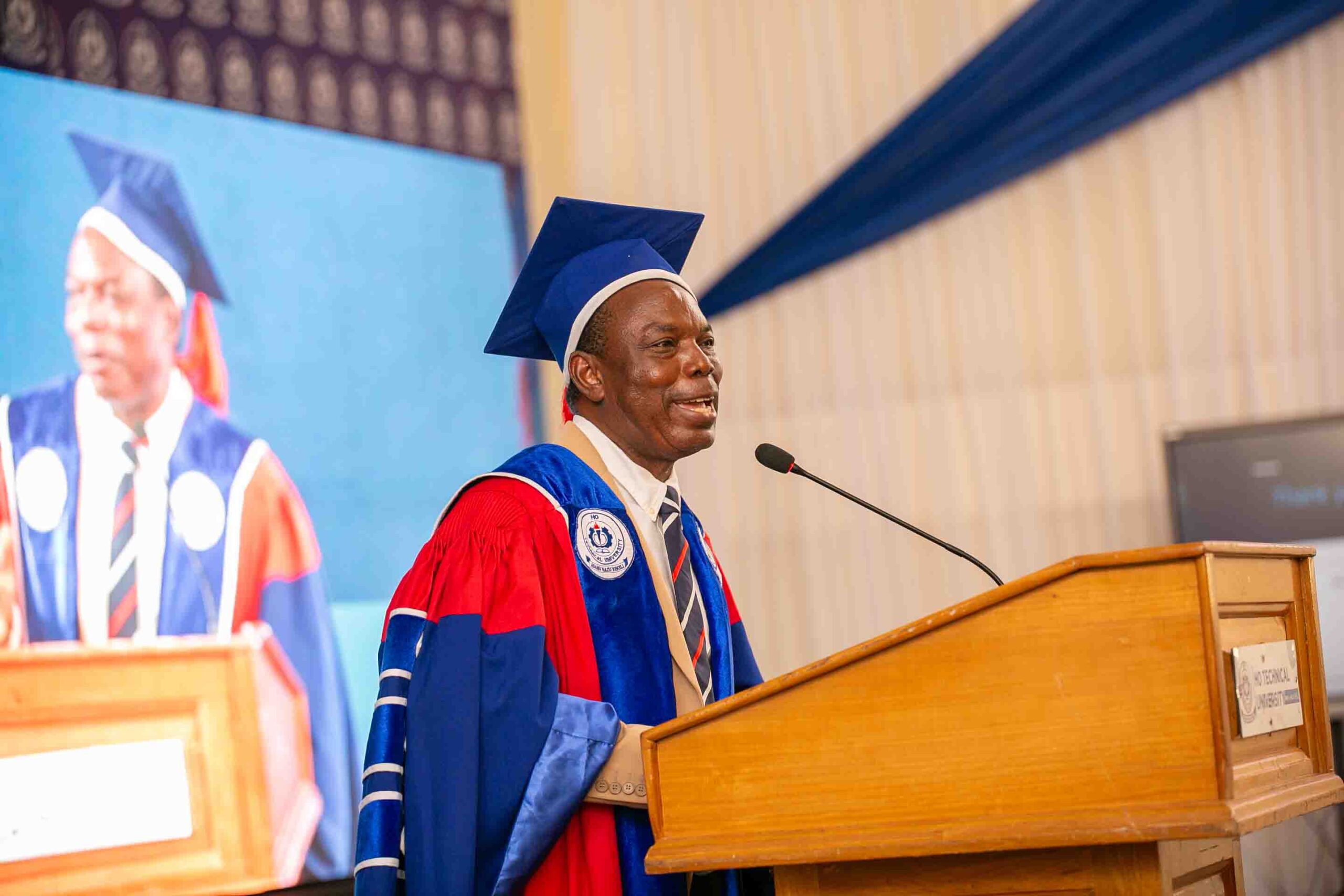
This was announced by the Vice-Chancellor, Prof. Ben Honyenuga during the 7th Vice‑Chancellor’s Distinguished Lecture, held at the G.M. Afeti Auditorium, on the theme: “Business Practice Education and Research in the Era of AI: Implications for Technical Universities in Ghana.”
Addressing participants, Prof. Ben Honyenuga described the theme as timely, noting that machine learning, robotics, and digitalisation are reshaping education and business globally.
He reaffirmed HTU’s resolve to strengthen applied research, innovation, and career‑focused education that responds to industry needs, while expanding partnerships with local and international institutions to enhance excellence, research capacity, and graduate employability.
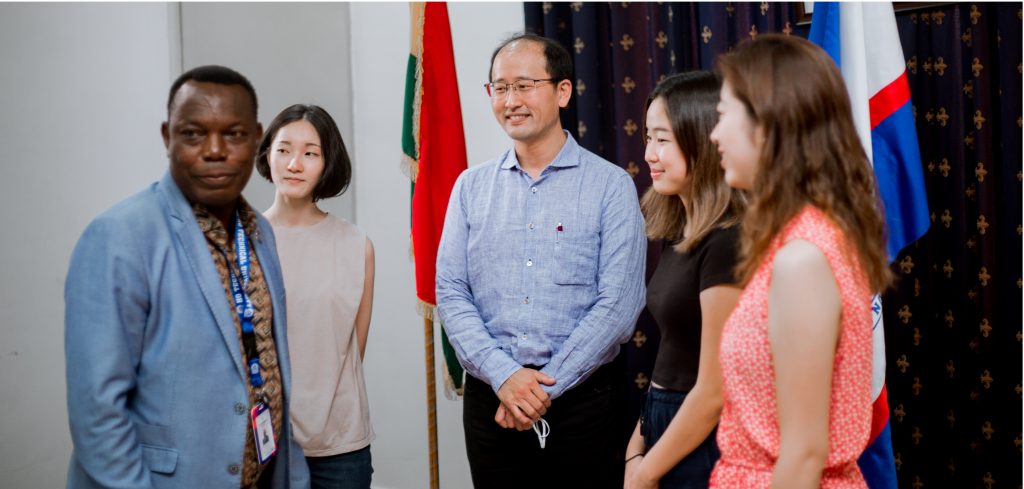
Delivering the keynote lecture, Prof. Dr. Ron S.J. Tuninga, Rector of Wittenborg University of Applied Sciences in the Netherlands, urged technical universities in Ghana to undertake far‑reaching reforms to remain competitive in the global knowledge economy. He stressed that AI‑driven transformation is no longer optional but an urgent necessity, citing advances in AI, machine learning, robotics, blockchain, quantum computing, and cybersecurity as forces reshaping the future of work.
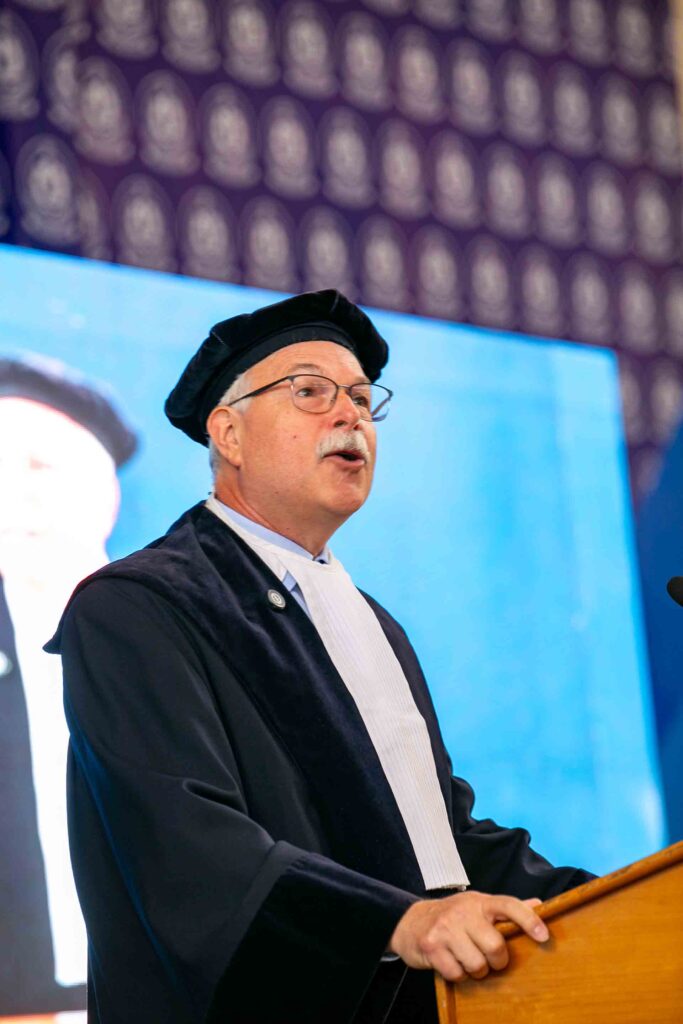
Prof. Tuninga explained that AI is automating routine tasks and transforming labour markets, making adaptability, reskilling, and human‑AI collaboration essential. He illustrated this with examples such as AI‑powered loan assessment systems in Dutch financial institutions, which improve efficiency and decision‑making. He identified opportunities including productivity gains, cost reduction, innovation, and new entrepreneurial ecosystems, while cautioning that Africa faces challenges such as weak digital infrastructure, skills shortages, and data governance concerns.
He further highlighted the underrepresentation of African languages in AI systems, calling for locally developed datasets and indigenous AI solutions tailored to African contexts. To address these gaps, he advocated comprehensive curriculum reforms that integrate AI, machine learning, and data analytics into technical and business education, while embedding ethics and responsible AI use.
“The focus should shift from memorisation to judgement, critical thinking, creativity, and problem‑solving,” he emphasized, urging universities to embrace multidisciplinary learning, strengthen industry partnerships, and become centres for lifelong learning through flexible and modular programmes.
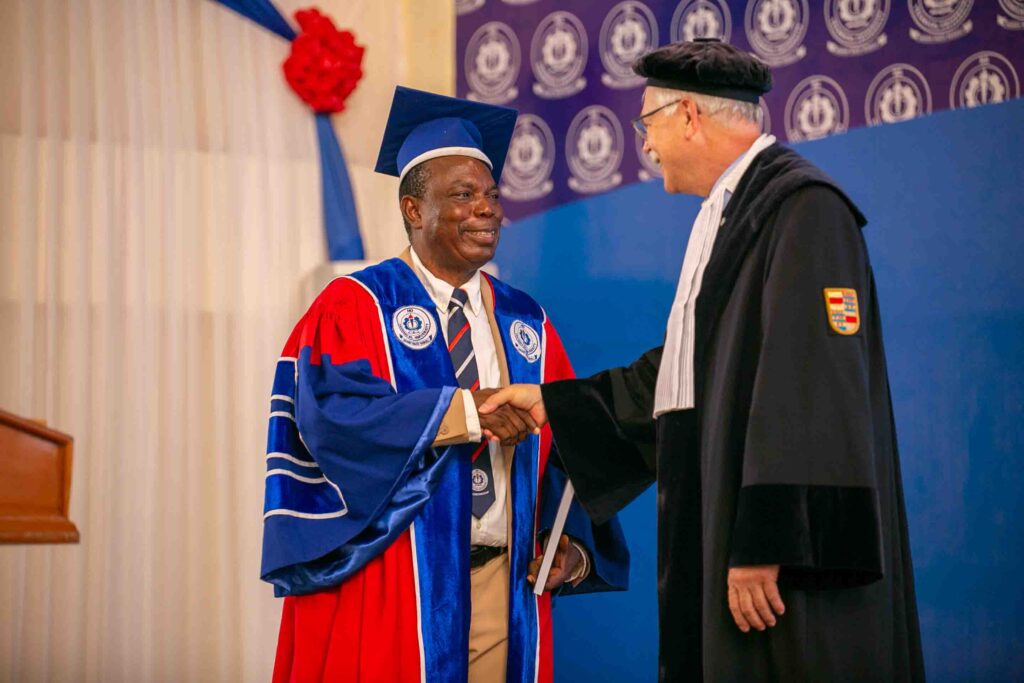
Prof. Tuninga also announced plans for the First African Round Table on Business Practice Education and Research, scheduled for 2027, which will convene universities, policymakers, researchers, and industry leaders across West Africa to explore solutions to emerging challenges.
The Distinguished Lecture, attended by academics, researchers, students, policymakers, and industry practitioners, formed part of HTU’s broader strategy to stimulate intellectual discourse, generate innovative ideas, and position itself as a leading technical university responsive to the opportunities and challenges of the digital age.