


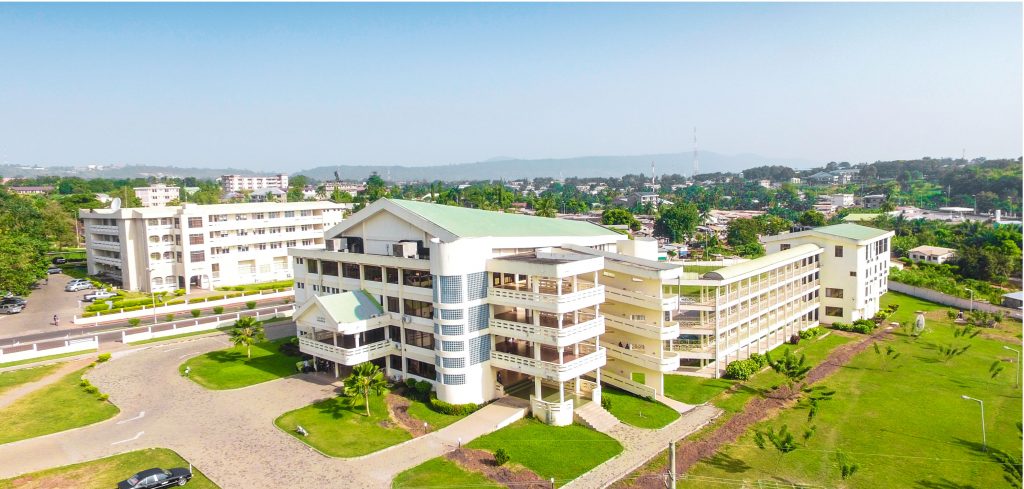

Ho Technical University (HTU), the host institution of the Ghana Circular Economy Centre (GCEC) Project, has commenced a Circular Venture Incubation and Pilot Testing Programme to accelerate Ghana’s transition to a circular economy.
The GCEC Project is led by the United Nations Industrial Development Organization (UNIDO) with funding from Global Affairs Canada, in partnership with the Ministry of Environment, Science, Technology (MEST).
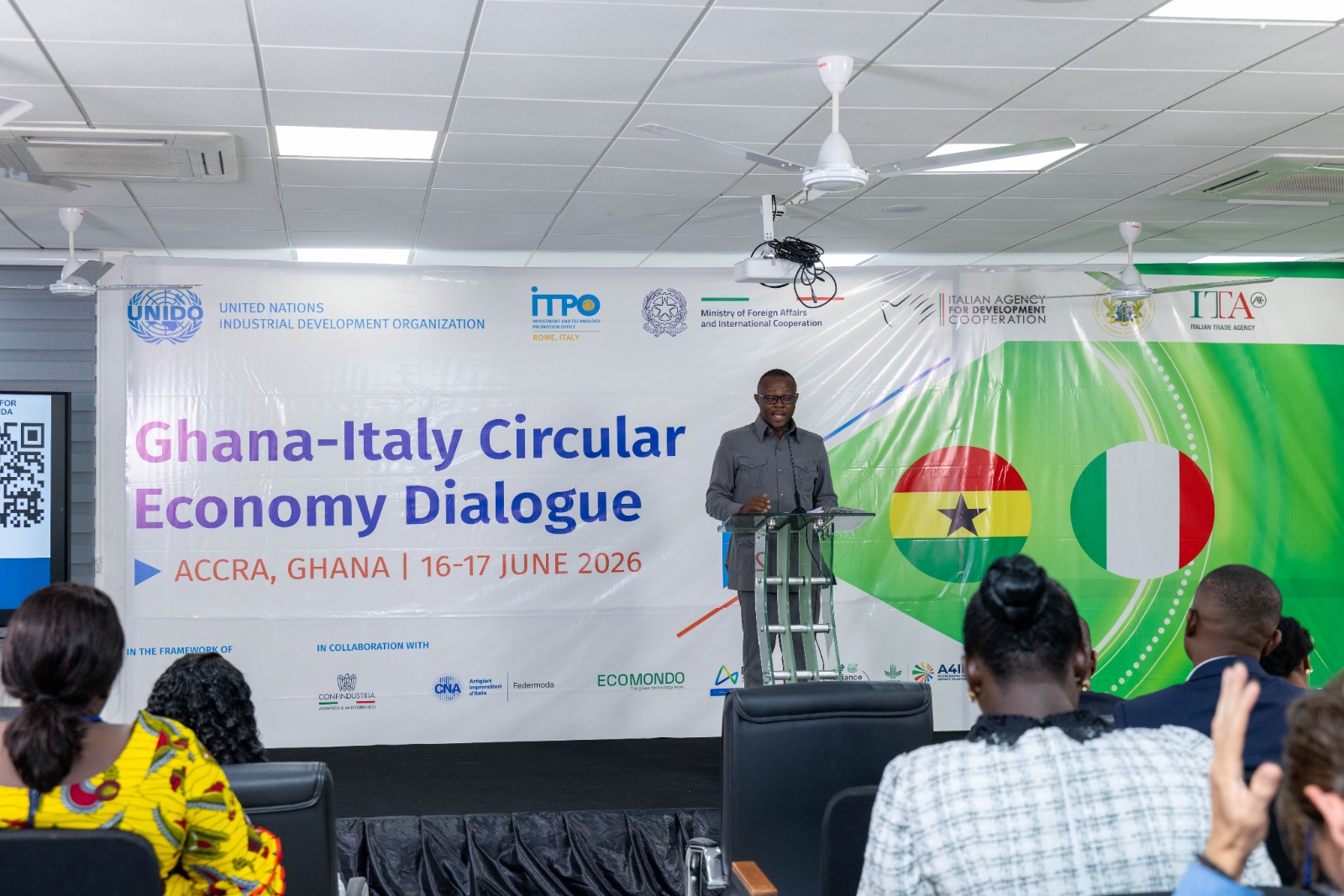
Speaking at the Ghana–Italy Circular Economy Dialogue, Dr. Harrison Adjimah, HTU’s Lead for the GCEC Project and Coordinator of the Centre for Entrepreneurship, Innovation and Technology Transfer, announced that HTU is spearheading the Circular Venture Incubation and Pilot Testing Programme in Ho. He further indicated that the other GCEC partner institutions—the Kwame Nkrumah University of Science and Technology (KNUST), the University of Cape Coast (UCC), and the Or Foundation—will soon commence their own incubation programmes focusing on plastics, agriculture and agro-processing, and textiles, respectively.
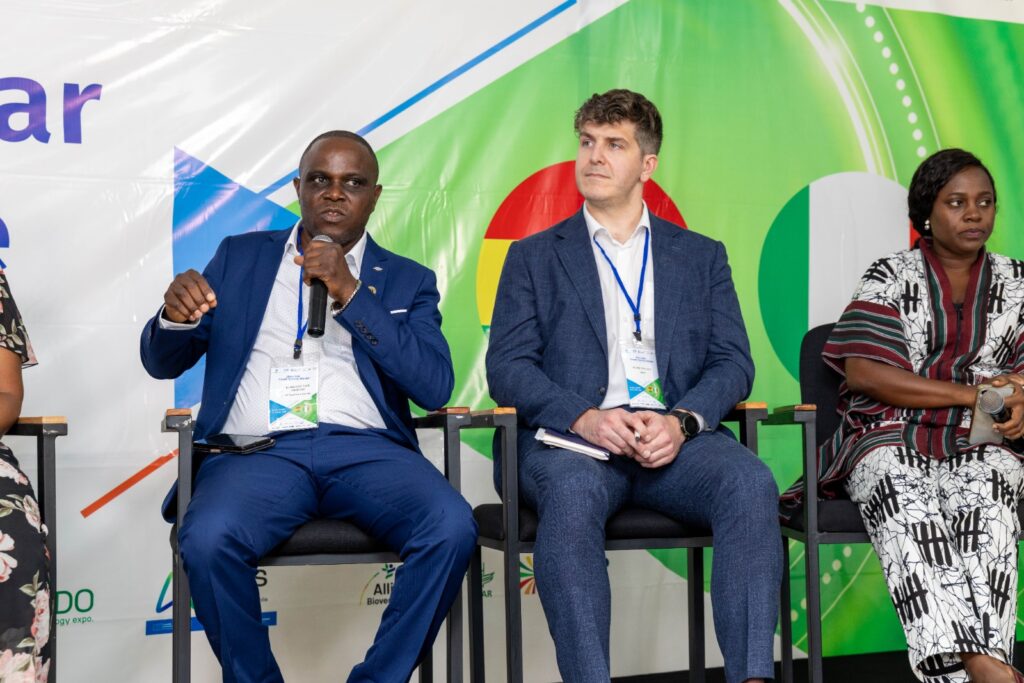
Dr. Adjimah highlighted the critical role of innovation incubation in accelerating Ghana’s circular economy transition. He emphasized that achieving a circular economy requires a new generation of professionals equipped with technical, managerial, entrepreneurial, policy, and digital competencies to drive circular innovation and sustainable industrial transformation.
Referring to the Circular Economy Skills Assessment conducted as part of the GCEC baseline study, Dr. Adjimah noted that although some academic programmes have begun integrating circular economy concepts into their curricula, significant skills gaps remain. He therefore called for the urgent introduction of short courses, professional certification programmes, and circular economy innovation incubation initiatives to strengthen the capacity of Ghanaians to design, implement, commercialize, and scale circular business models, technologies, and solutions.
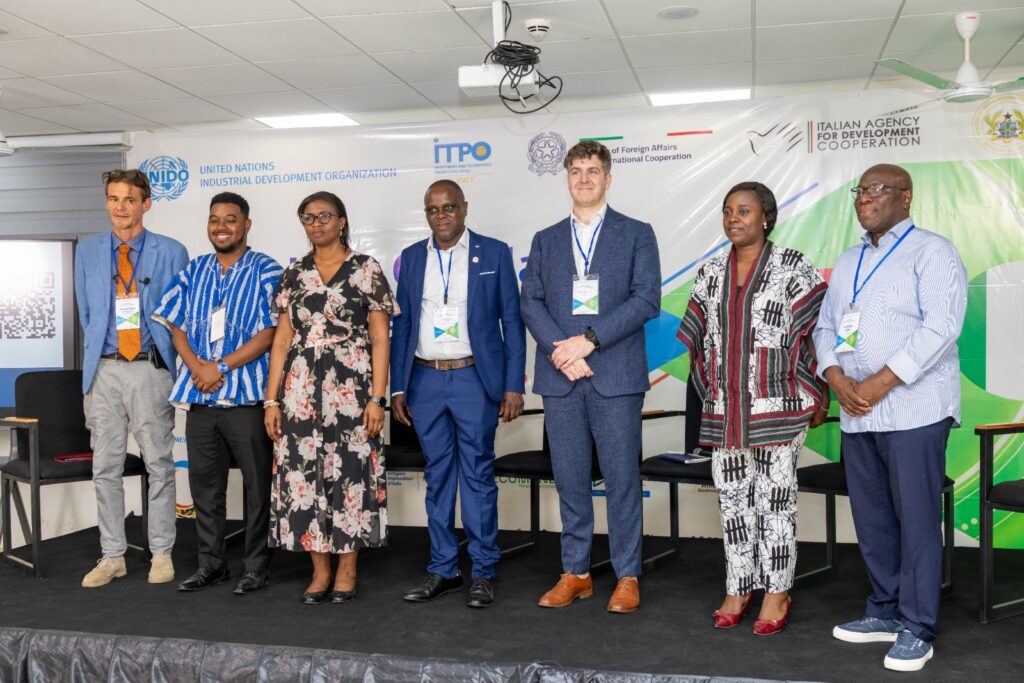
Mr. Peter Smalley, UNIDO Industrial Development Expert and the Project Manager from Vienna explained that UNIDO provides technical support to countries at the micro, meso, and macro levels. He reaffirmed UNIDO’s commitment to supporting curriculum development and embedding circular economy concepts into TVET programmes to build the skills required for sustainable industrial development.
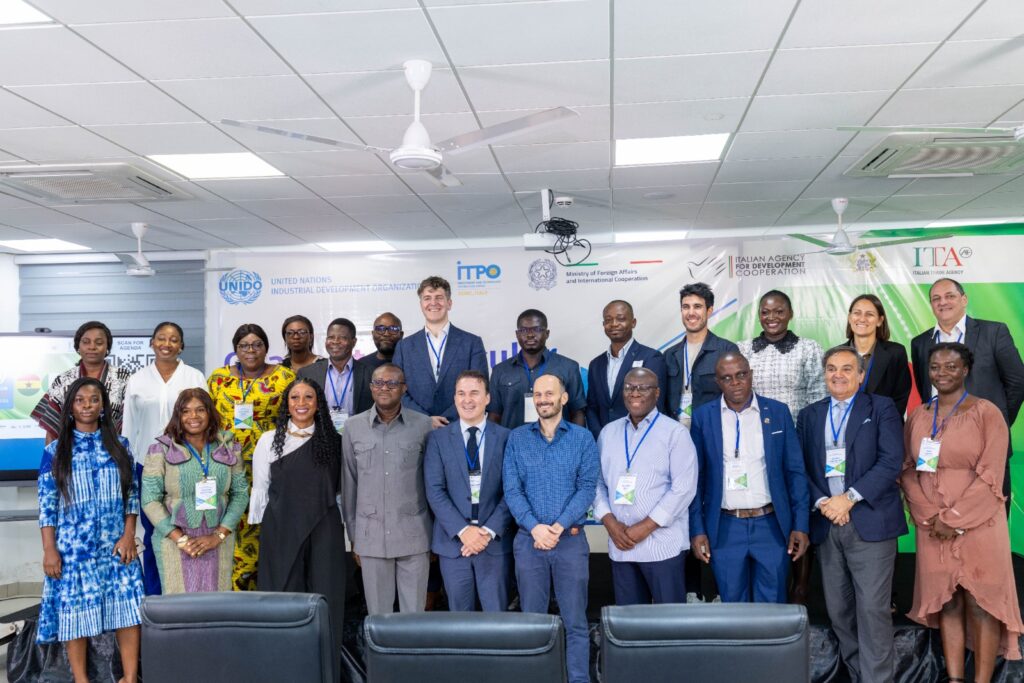
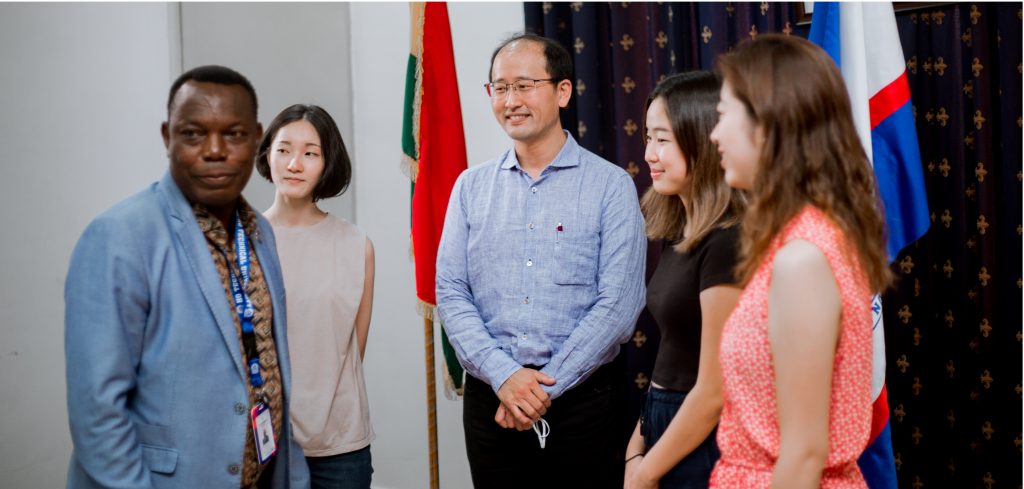
The Ghana–Italy Circular Economy Dialogue, held at UPSA Campus in Accra from 16–17 June, brought together policymakers, academia, industry leaders, development partners, and circular economy practitioners to strengthen collaboration, share knowledge, and explore opportunities for advancing Ghana’s circular economy agenda.