


The Vice-Chancellor, Prof. Ben Q. Honyenuga, has called for stronger collaboration between private schools and tertiary institutions to promote innovation and improve educational outcomes in Ghana.
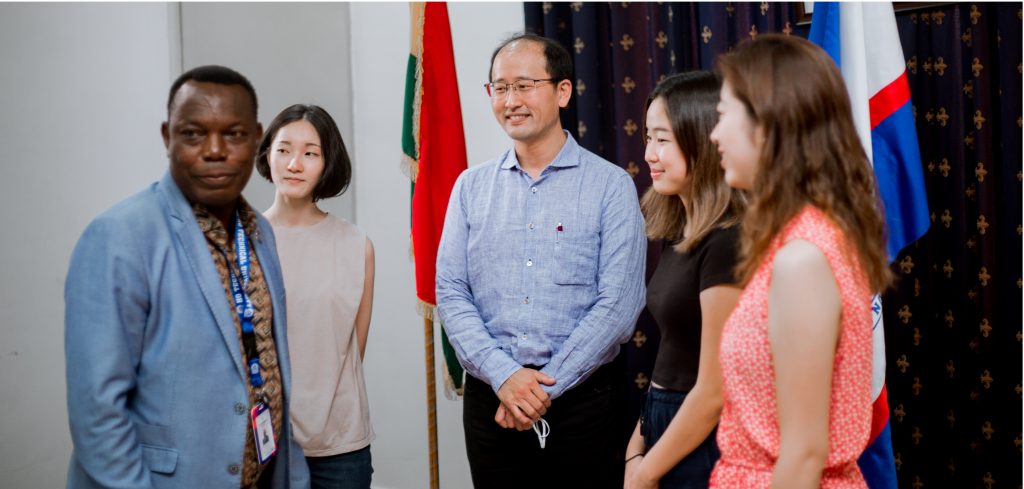
Prof. Honyenuga made the call when he welcomed participants to the 30th Annual General Conference of the Ghana National Association of Private Schools (GNAPS), held from August 26 to 28, 2026, at the G.M. Afeti Auditorium. He noted that the conference theme, “Revolutionising Education: Transforming Ghana Through Innovation and Technology,” aligned with HTU’s commitment to innovation, sustainability and academic excellence.
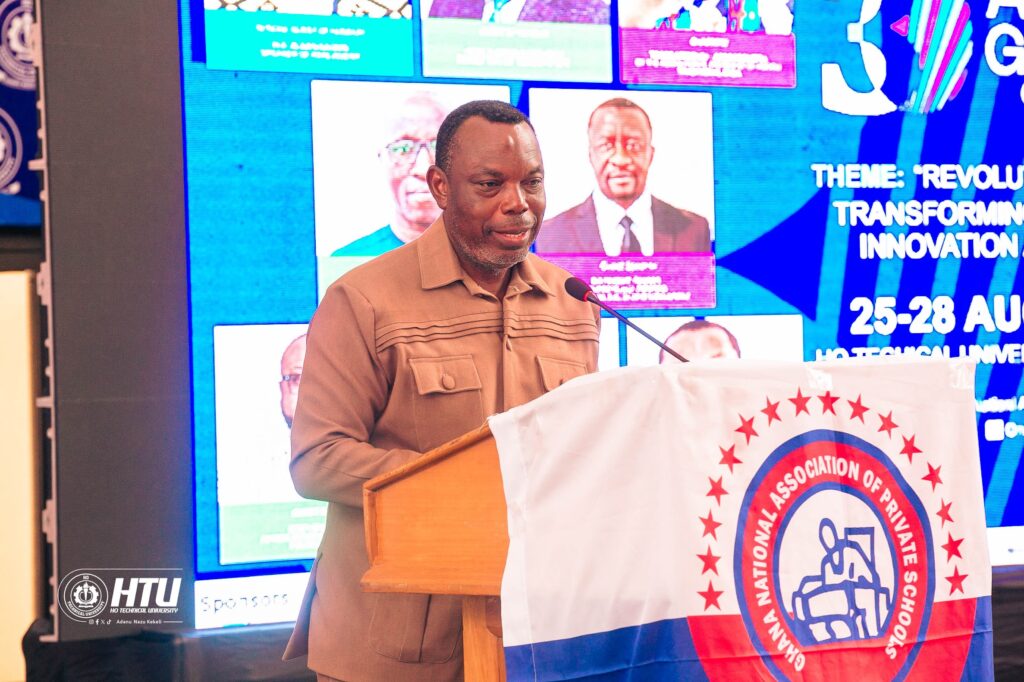
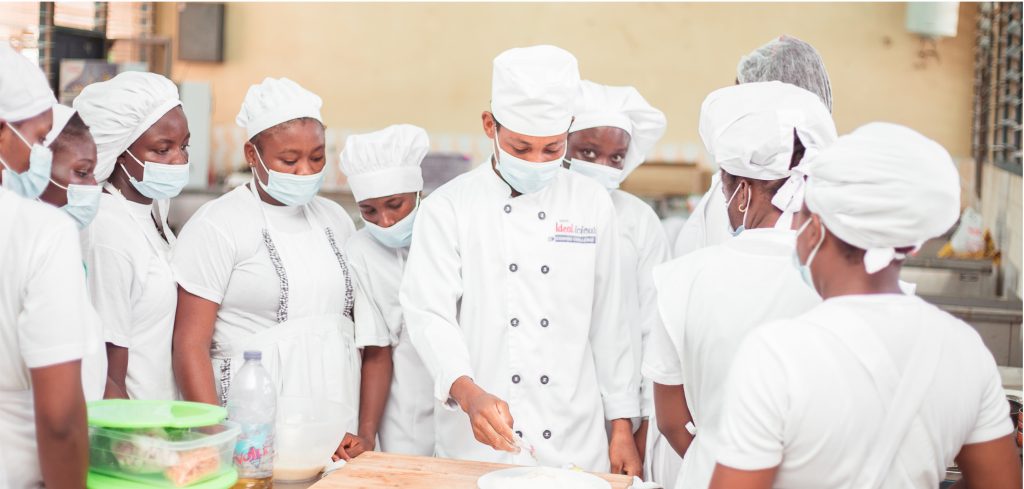
The Vice-Chancellor highlighted the University’s focus on research and innovation, citing its breakthrough in reducing the fruiting period of the baobab tree from more than two decades to 27 months. He also invited private schools to collaborate with the University by bringing their learners on educational visits to access its laboratories and facilities, describing the initiative as an opportunity to expose young people to technical and higher education.
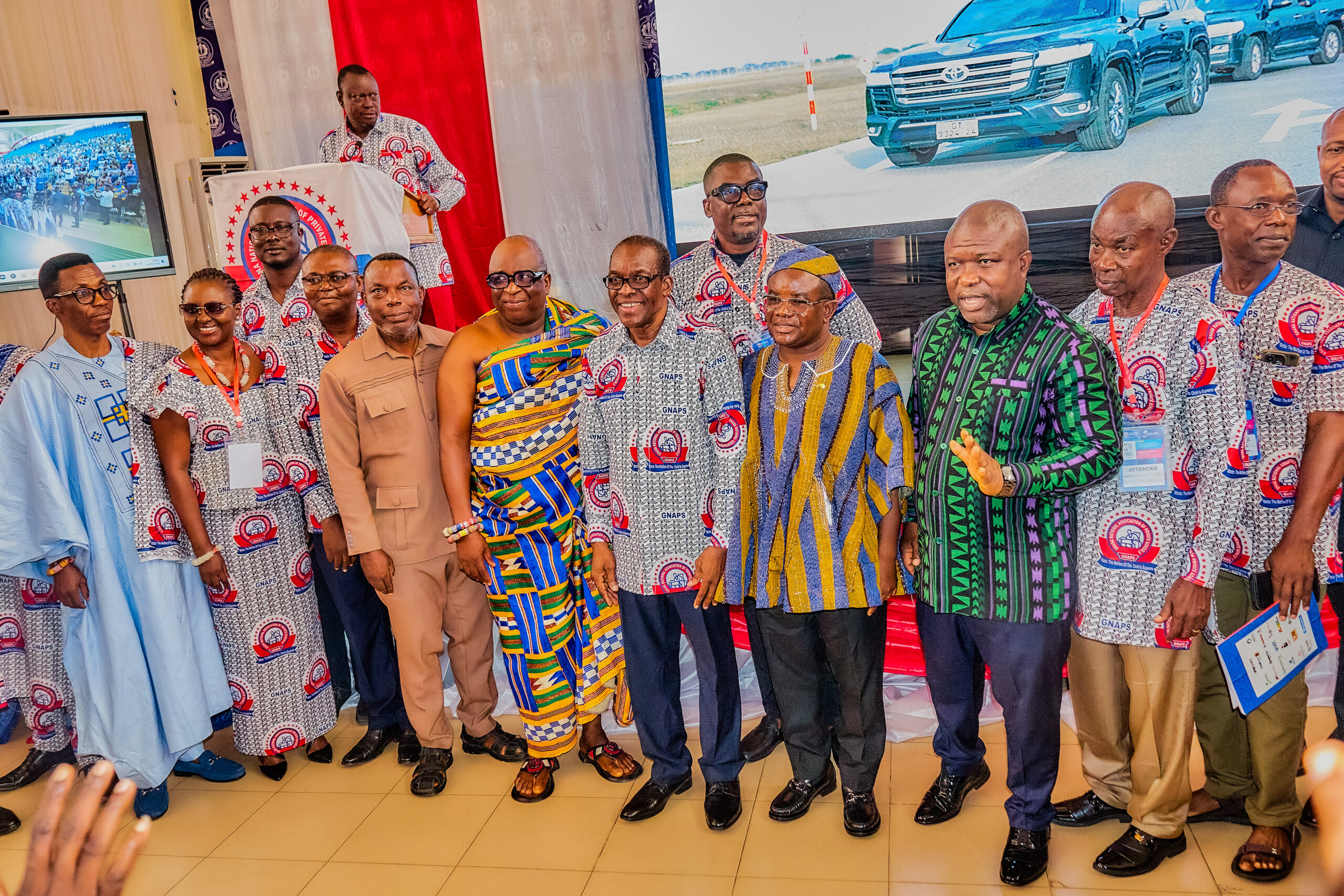
The Speaker of Parliament, Rt. Hon. Alban Sumana Kingsford Bagbin, who served as Special Guest of Honour, called for greater recognition and support for private schools, describing them as important partners in Ghana’s educational development. He noted that school proprietors had invested their resources in educating children, expanding access and creating employment, and urged state institutions to provide a conducive environment for the sector to thrive.
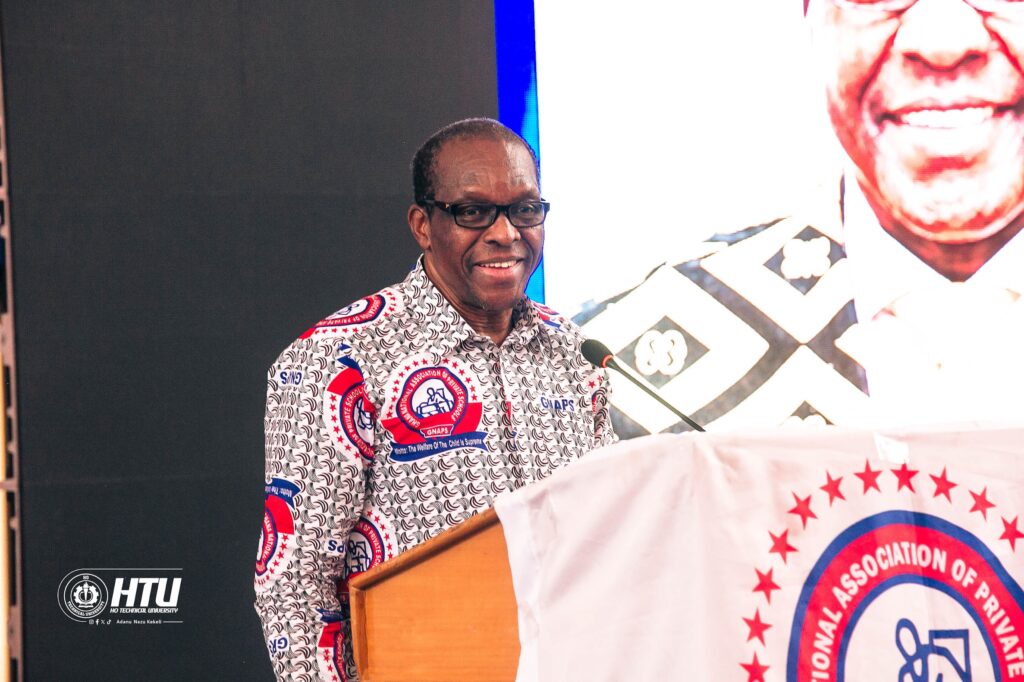
Speaking on behalf of the Minister of Education, the Inspector-General of Schools of the National Schools Inspectorate Authority (NaSIA), Prof. Azeko Salifu Tahiru, reaffirmed the Ministry’s commitment to working closely with private schools to bridge existing gaps. He noted that ongoing reforms were aimed at ensuring that private schools benefited from the same teaching resources and curriculum support available to public schools.
GNAPS First Vice-President, Mr. Justice King Essel Amevor, observed that Ghana’s education system had moved beyond the traditional classroom characterised by rigid teaching methods to one driven by coding, creativity, critical thinking, artificial intelligence and digital problem-solving. He stressed that technology alone could not transform education unless teachers were adequately trained and equipped to use it effectively. He therefore urged teachers to embrace continuous professional development and equip themselves with the digital skills needed to effectively integrate technology into teaching and learning.
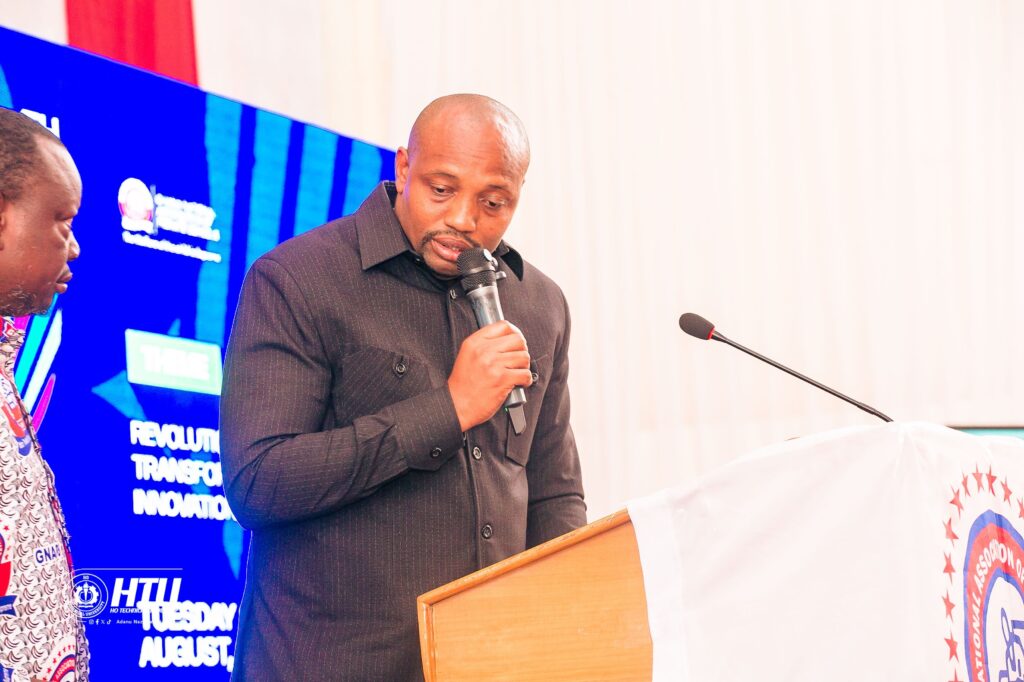
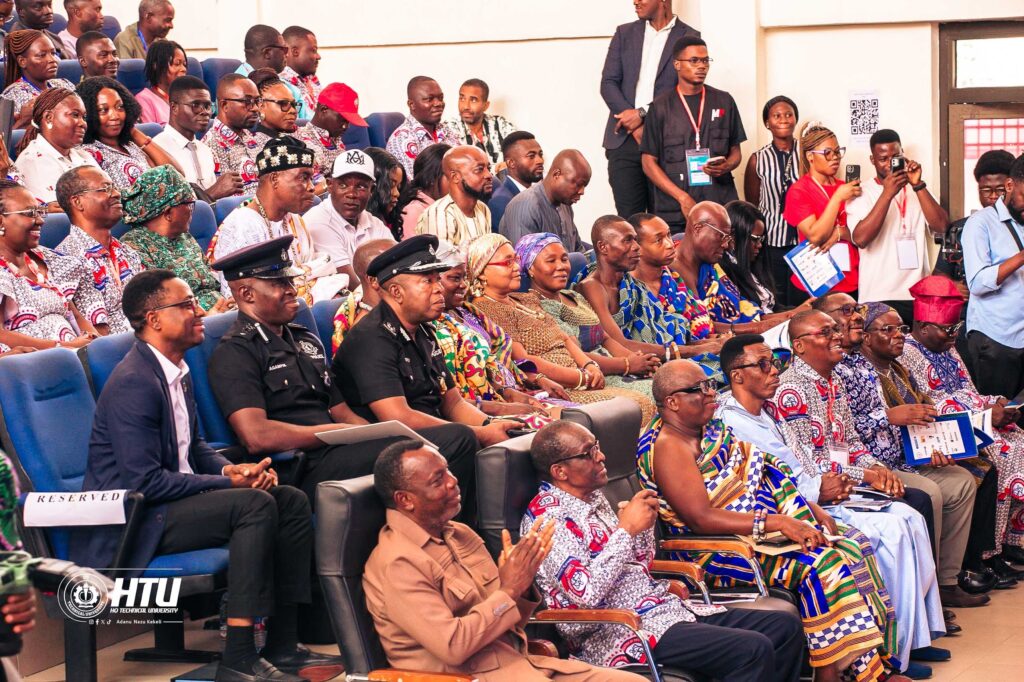
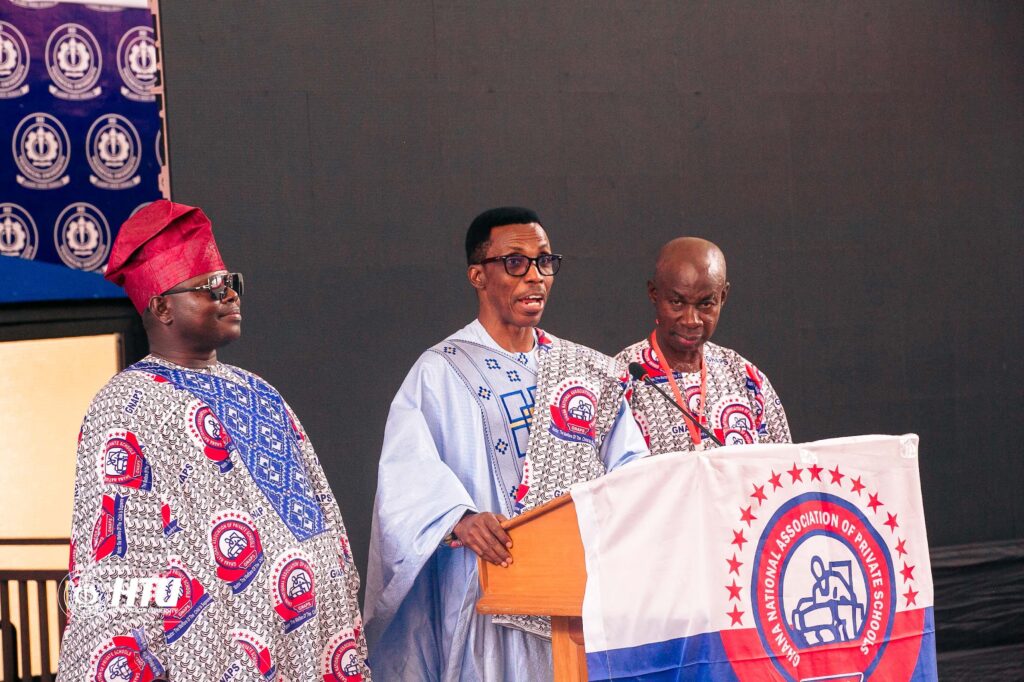
The three-day conference brought together private school proprietors, educationists, policymakers and other stakeholders to deliberate on the future of education and the role of innovation and technology in transforming teaching and learning in Ghana. The conference concluded with an education fair, which provided participants and learners with an opportunity to explore educational innovations, products, services and opportunities relevant to the sector.