


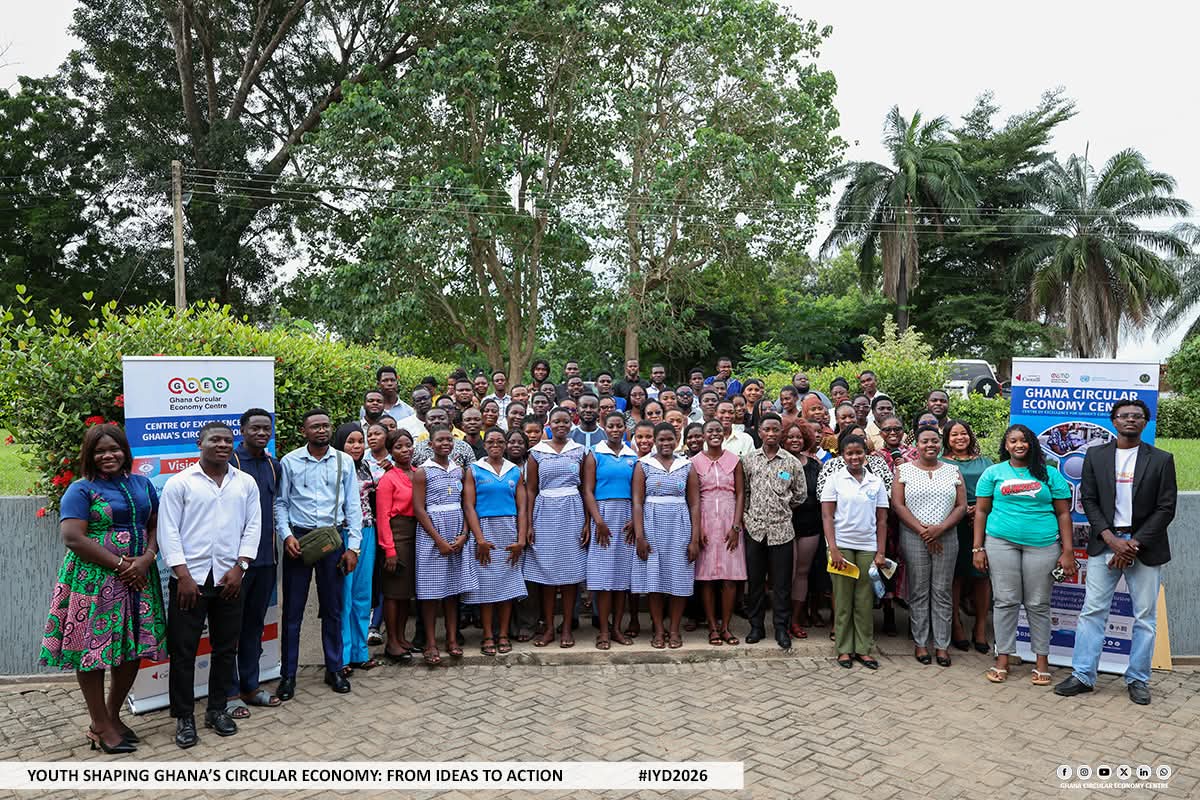
The Ghana Circular Economy Centre (GCEC) at Ho Technical University (HTU) has hosted an event to commemorate International Youth Day on Wednesday, August 12, 2026, with a call on young people to take the lead in Ghana’s transition to a circular economy.
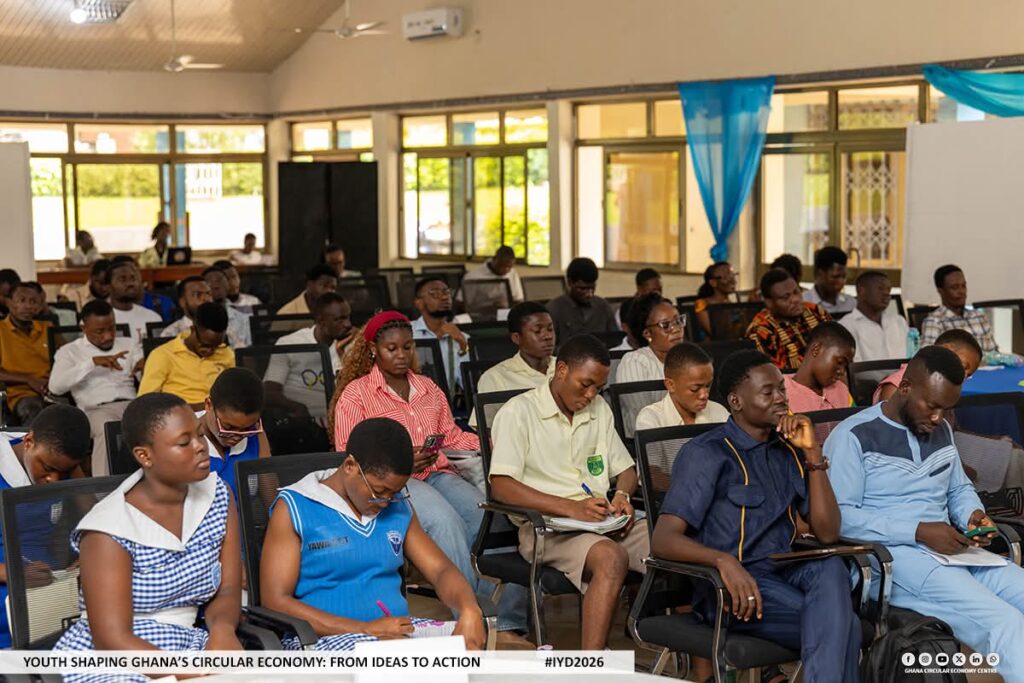
The programme, aimed at introducing young people to the circular economy agenda, was held at the HTU SRC JCR under the theme “Youth Shaping Ghana’s Circular Economy: From Ideas to Action.” It brought together students from second-cycle and tertiary institutions, entrepreneurs, and stakeholders to explore sustainable practices and opportunities within Ghana’s sustainability drive.
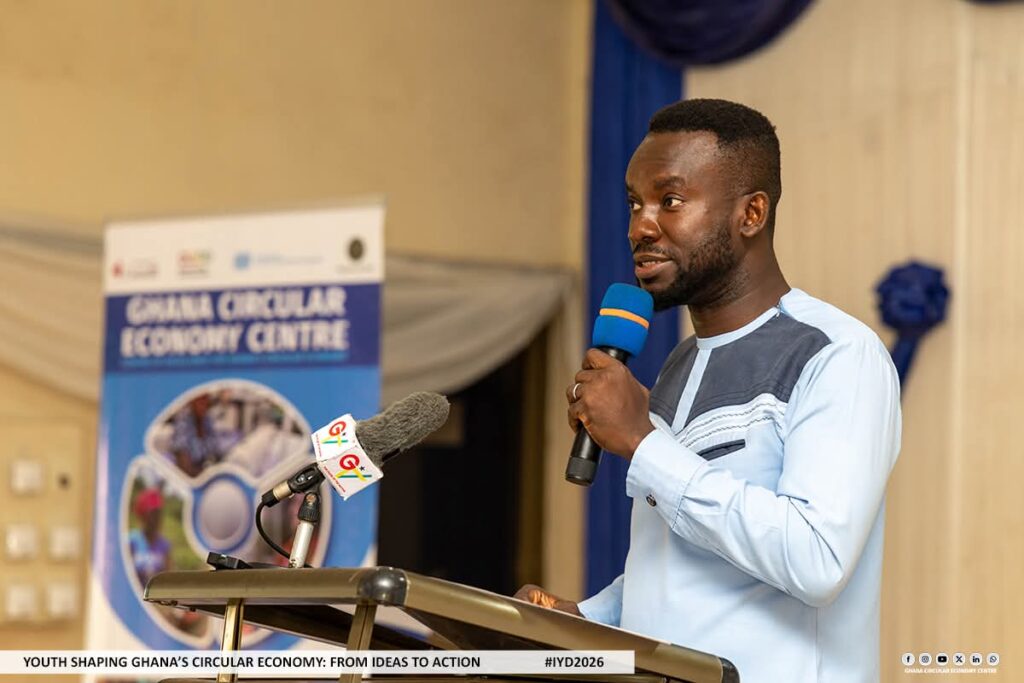
Opening the programme, Mr. Richmond Quayson, Venture Studio Lead Expert at GCEC, underscored that the country’s shift to sustainability required the creativity, energy, and entrepreneurial drive of young people. He urged them to see themselves not merely as beneficiaries but as co-creators, innovators, and leaders of the process.
Two young entrepreneurs, Mr. Stephen Joy Turkson, Commercial Manager of Asa Nwura Company Limited, and Mr. Desmond Anokye Ntim, CEO of Deecom Nutri Food Limited, interacted with participants, encouraging them to identify inefficiencies in their communities and turn problems into opportunities. Mr. Turkson emphasised that waste should be seen as a hidden economic resource, while Mr. Ntim reminded participants that “the nearest waste you have around you can become something valuable.”
Dr. Jennifer Adaletey, HTU Team Lead on the project, advised students to be environmentally conscious and avoid single-use plastics, stressing the importance of everyday choices in building a sustainable future.
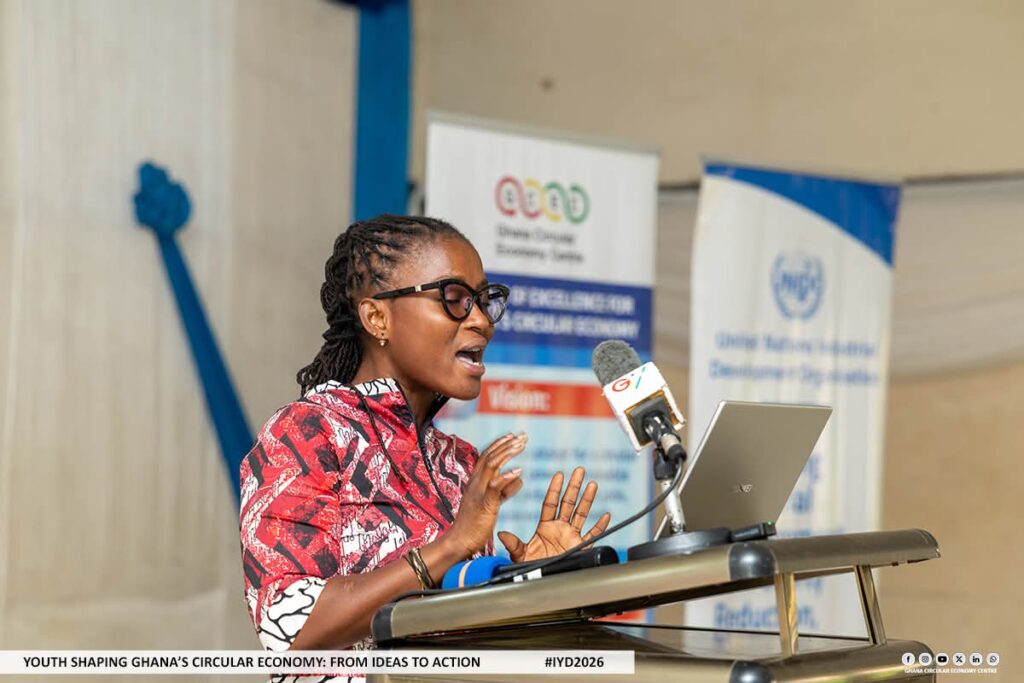
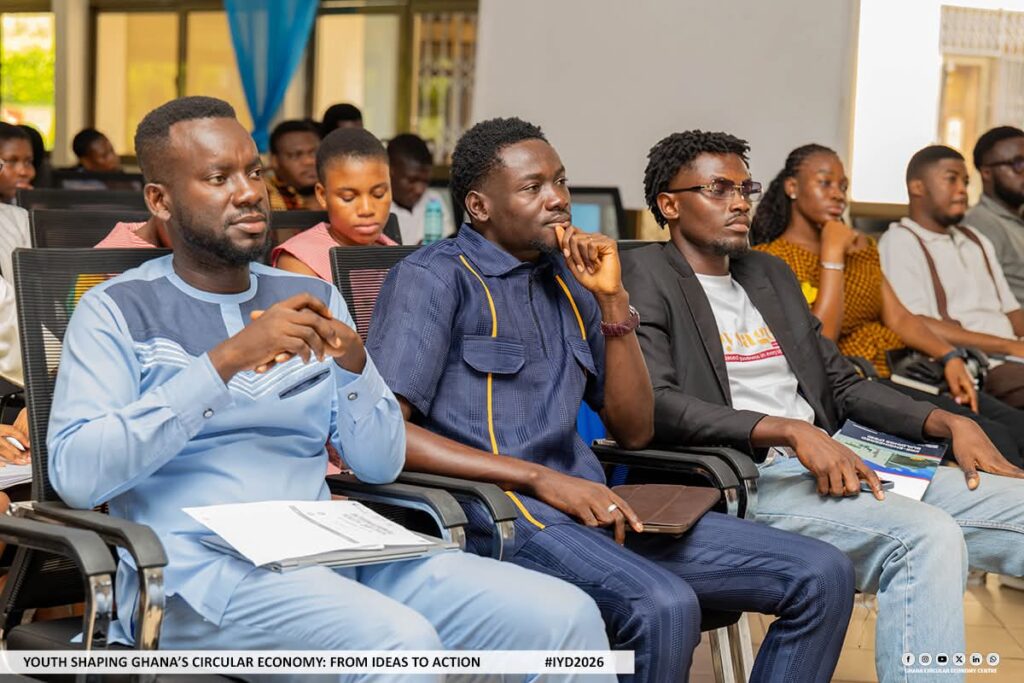
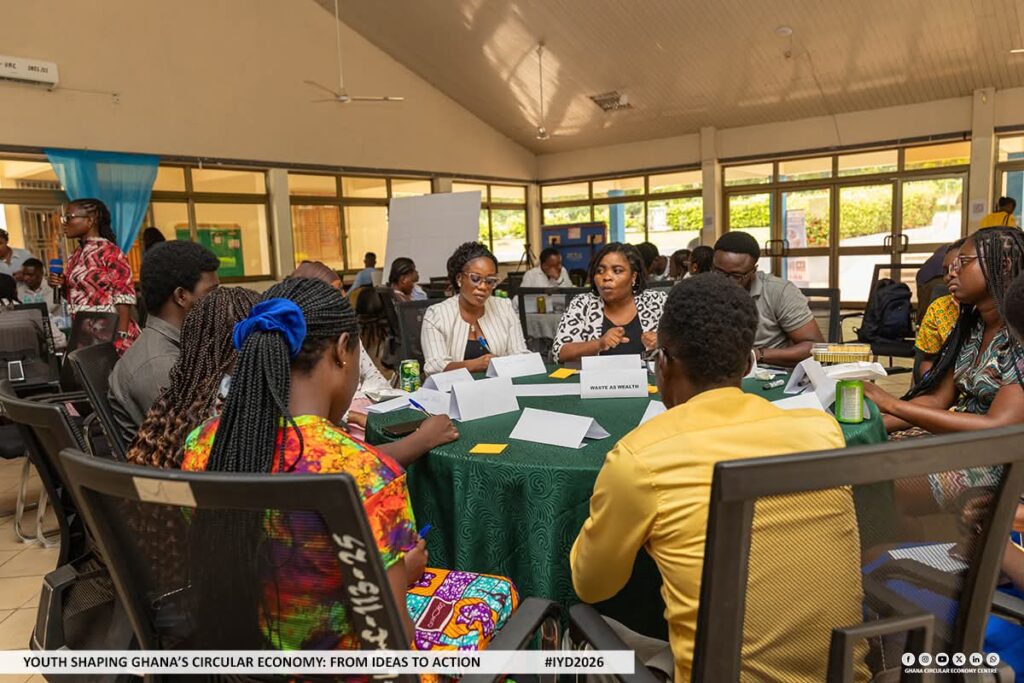
A major highlight of the programme was the World Café session, where participants discussed and prioritised the roles young people can play, identified barriers limiting their participation, explored opportunities within the circular economy, and developed practical recommendations for greater youth involvement. The interactive dialogue produced innovative ideas aimed at tackling community-level waste and environmental challenges.
The event reaffirmed the vital role of young people in Ghana’s circular economy transition. It demonstrated that with creativity, collaboration, and practical action, waste can be transformed into valuable resources, contributing to environmental sustainability and economic development.