





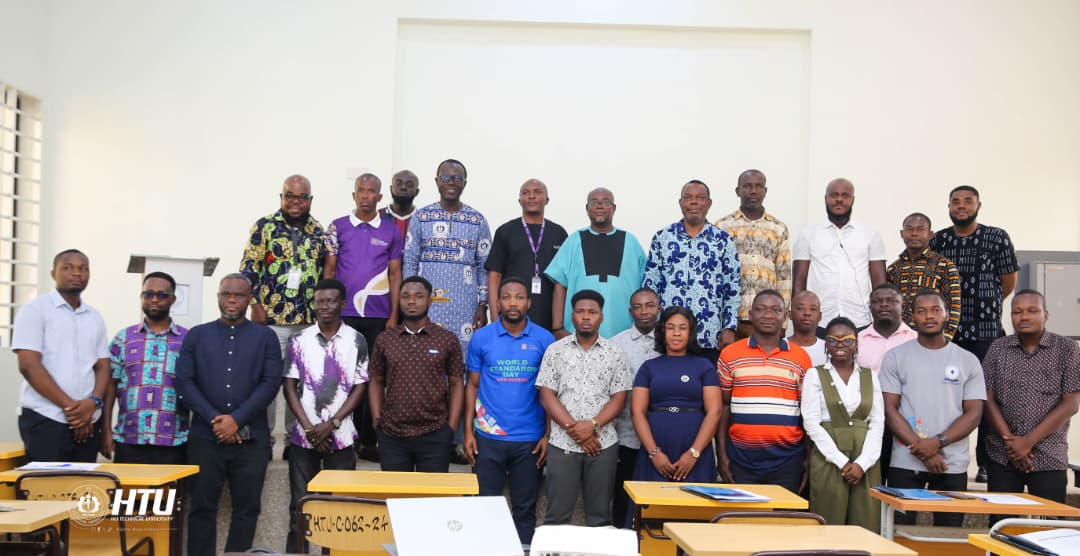
The Solar Technology Application Resource Centre (STAR-C) at Ho Technical University (HTU), has organised a two-day sensitisation workshop on solar testing standards to equip stakeholders with the knowledge and skills to promote quality, safety and reliability in solar energy systems.
Held on Thursday, November 5 to Friday, November 6, 2026, under the theme, “Ensuring Quality, Safety and Reliability in Solar Energy Systems through Standardised Testing,” the workshop brought together key stakeholders to deepen their understanding of internationally recognised testing standards and their application in the solar energy sector.
The Centre Coordinator, Prof. Richard Turkson, reaffirmed the Centre’s commitment to ensuring that solar energy systems installed in homes, schools and industries meet the required standards of quality, safety and reliability. He emphasised that achieving this objective required a sound understanding and application of appropriate testing standards. He expressed appreciation to the Vice-Chancellor for his continued support for the Centre and encouraged participants to actively engage in the sessions.

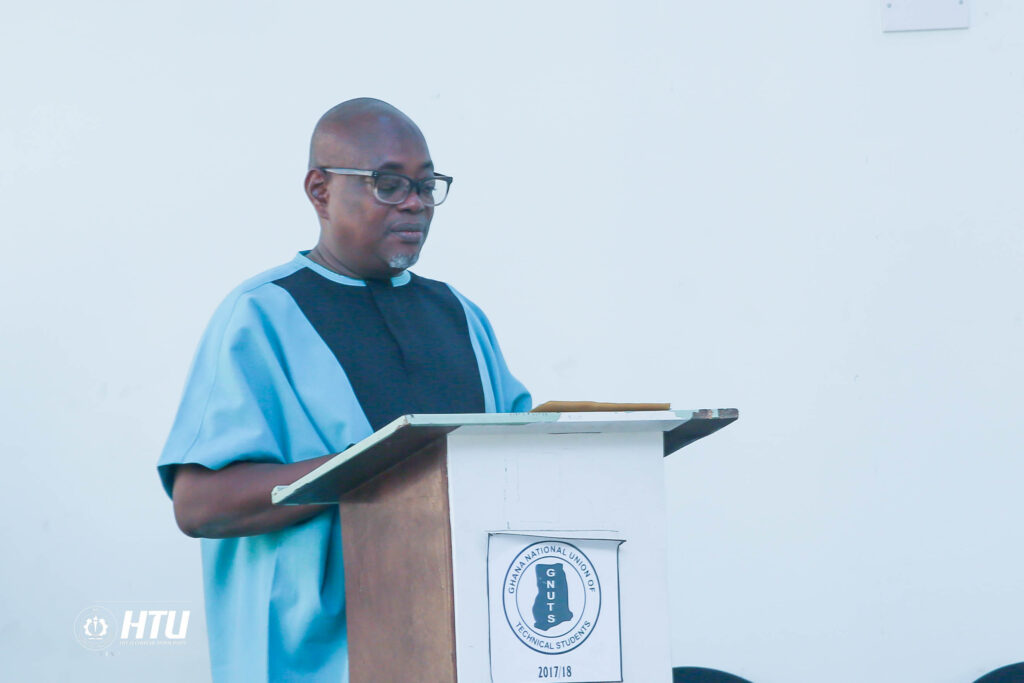
Opening the workshop, the Vice-Chancellor, Prof. Ben Q. Honyenuga, underscored the importance of standardised testing in safeguarding consumers and strengthening confidence in Ghana’s growing solar energy sector. He acknowledged the Ghana Standards Authority (GSA) for supporting the workshop through the provision of a facilitator, as well as the Ministry of Energy and Green Transition, the International Solar Alliance and their partners for their support towards the establishment of the STAR-C in May 2023.
He explained that the Centre was established to advance four key areas; training, testing, innovation and knowledge management, noting that the workshop directly supported its mandate to promote solar testing and standards. He further observed that the increasing adoption of solar technologies in Ghana made quality assurance and regulatory compliance essential to protecting consumers and ensuring the long-term performance of solar.
Prof. Honyenuga called for stronger collaboration with regulatory institutions, particularly the Ghana Standards Authority, to strengthen certification and compliance processes. He stressed that solar energy systems must be designed, installed, operated and maintained in accordance with internationally recognised standards, describing standardisation as a matter of life and safety. He therefore urged participants to become advocates of quality standards in their respective institutions and professional fields.

The facilitator, Ing. Francis Mensah Akpaloo, an Energy Efficiency Expert at the Ghana Standards Authority, took participants through various solar PV panel technologies, their efficiency levels and applicable testing standards. He also highlighted the importance of solar panel nameplate information and minimum efficiency requirements in assessing the quality and technical specifications of solar modules.
Ing. Akpaloo further introduced participants to the test procedures for assessing the quality, safety and performance of solar PV modules. The sessions provided participants with insights into the various testing requirements and their application in determining the reliability, efficiency and suitability of solar modules for deployment.
The workshop, which forms part of HTU’s broader commitment to advancing renewable energy development through applied research, technical training and industry collaboration, ended with an interactive question-and-answer segment, allowing participants to seek clarification and share perspectives on solar testing standards and procedures.
(C) Directorate of Public Affairs