





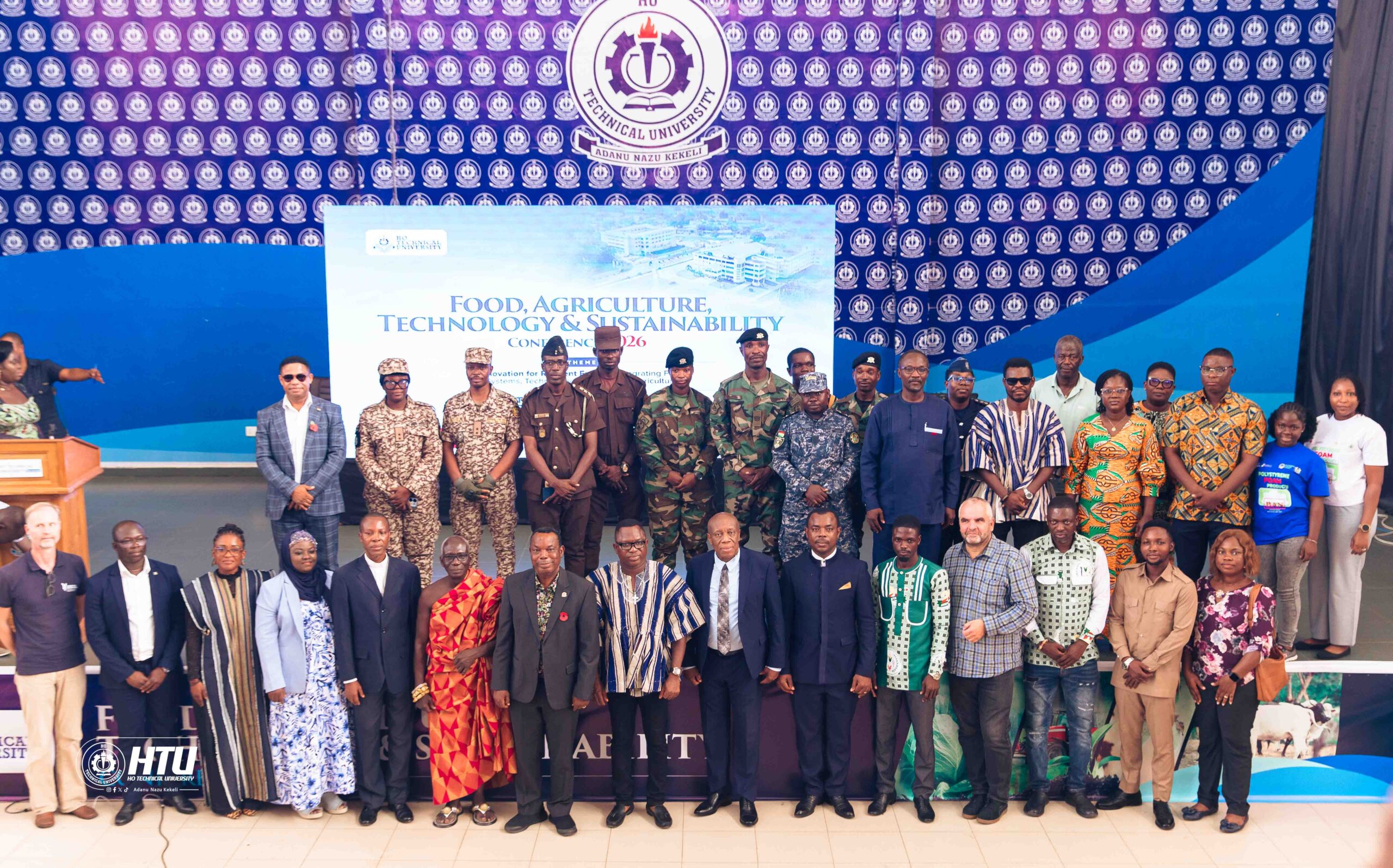
Ho Technical University (HTU) has hosted the second edition of its Food, Agriculture, Technology and Sustainability (FATAS) Conference from Wednesday, November 11 to Friday, November 13, 2026, under the theme, “Innovation for Resilient Futures: Integrating Food Systems, Technology and Sustainable Agriculture,” bringing together key stakeholders to explore innovative solutions to challenges in agriculture, food security and environmental sustainability.
Welcoming participants, the Pro-Vice-Chancellor and Chairman of the Local Organising Committee, Prof. Christopher Mensah, emphasised the need to leverage science, technology, digital innovation and sustainable resource management to build resilient food systems. He observed that persistent challenges confronting Ghana’s agricultural sector required stronger collaboration among universities, government, industry, farmers and development partners. He expressed optimism that the conference would generate practical solutions, research collaborations and policy recommendations to advance agricultural transformation.
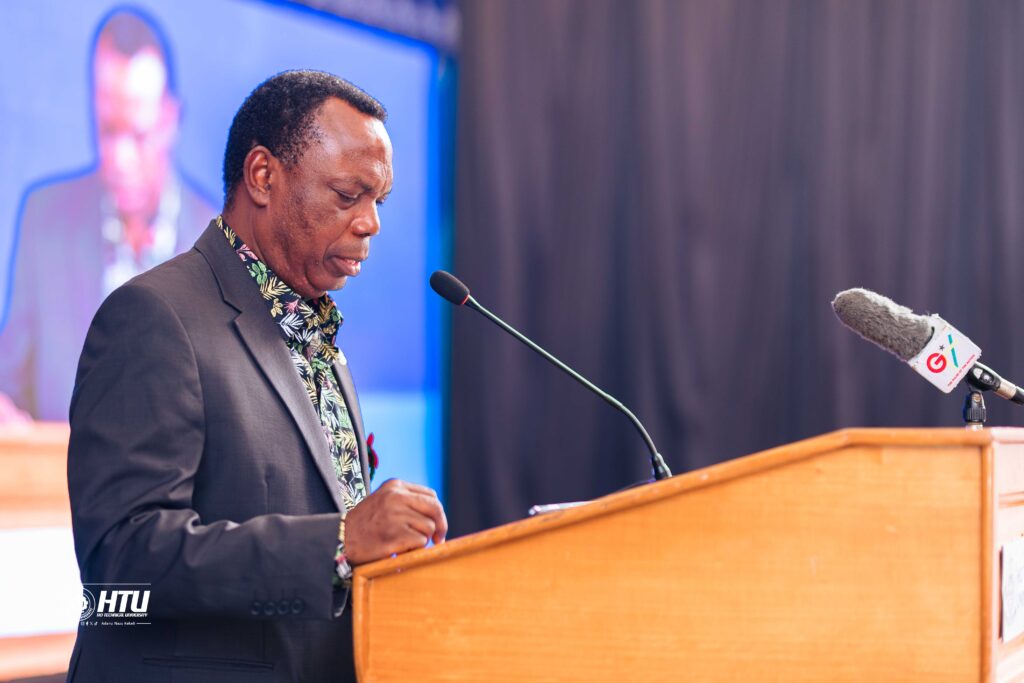
The Vice-Chancellor, Prof. Ben Q. Honyenuga, reaffirmed the University’s commitment to applied research, innovation and sustainable development. He highlighted HTU’s baobab tree mapping initiative, its role as host institution of the UNIDO-Ghana Circular Economy Centre and its recognition in national and international university rankings for quality education and sustainability. He urged participants to translate discussions into practical outcomes through inclusive technological solutions and meaningful research partnerships, noting that collective action was essential to strengthening food security while preserving natural resources for future generations.
Delivering the first keynote address, Prof. John Ofusu-Anim, an academic and agronomist, drew attention to the impact of climate change, declining soil fertility, rising production costs and post-harvest losses on agricultural productivity. He called on universities and research institutions to bridge the gap between research and practice by translating scientific discoveries into affordable and accessible solutions for farmers. He also encouraged higher education institutions to take advantage of emerging research funding opportunities to advance agricultural innovation and commercialisation. Commending HTU’s strengths in applied technology and engineering, he expressed confidence in the University’s potential to become a hub for agricultural research and strategic partnerships in the Volta Region and beyond.


The second keynote speaker, Prof. Engr. Ernest Teye, Professor of Agri-Food Integrity Engineering at the University of Cape Coast, advocated the adoption of artificial intelligence and digital traceability technologies to strengthen food safety and quality assurance. He highlighted the limitations of conventional laboratory testing and called for the adoption of rapid, non-destructive technologies to detect food adulteration and verify product authenticity. He further stressed the importance of transparency, environmental responsibility and respect for farmers, maintaining that technological innovation must be accessible and responsive to the needs of stakeholders across the agricultural value chain.
Also addressing participants on behalf of the Volta Regional Minister, Hon. Jerry Ameko, District Chief Executive (DCE) for Adaklu, highlighted agriculture’s importance to the region’s economy, noting that the sector employs more than 60 per cent of its population. He outlined several innovations supporting agricultural development in the region, and advocated circular agricultural practices, where agricultural waste is converted into useful resources. He called for increased private-sector investment to make agriculture more productive, profitable and attractive to young people.
In a statement delivered on behalf of the Volta Regional Director of the Environmental Protection Authority (EPA), Ing. Maxwell Zu-Cudjoe, the Authority called for collective action against the use of Styrofoam food containers. The statement highlighted the environmental challenges associated with single-use Styrofoam packaging, particularly its non-biodegradable nature and contribution to pollution in drains and water bodies. It encouraged food vendors, manufacturers and consumers to adopt environmentally friendly packaging alternatives and responsible waste management practices to protect public health and the environment.



The three-day conference featured dialogue sessions, an exhibition showcasing innovative agricultural technologies, agro-processing equipment, improved crop varieties, locally processed food products and sustainable farming solutions. It also included breakout sessions during which researchers and academics presented papers on various aspects of food systems, agricultural technology and sustainability. These engagements provided opportunities for participants to share research findings, explore practical innovations and establish potential collaborations.
(C) Directorate of Public Affairs