



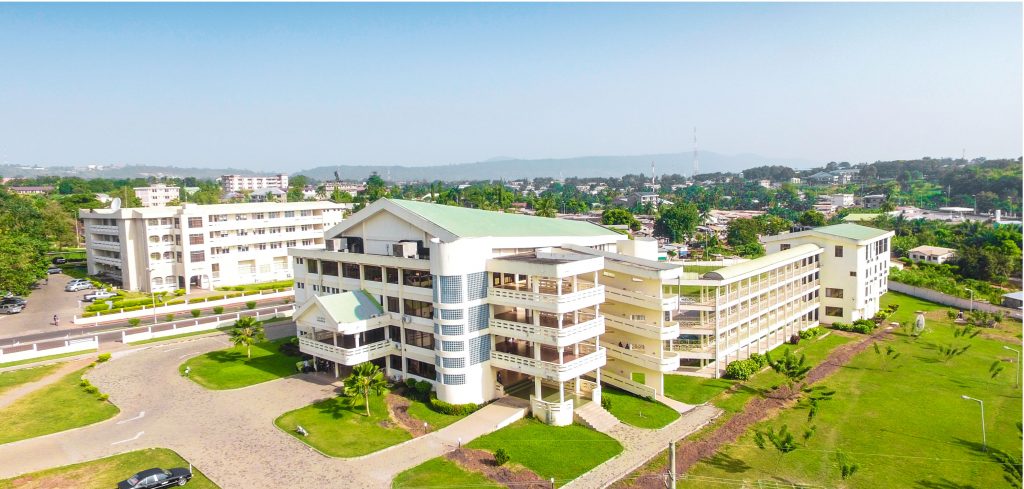

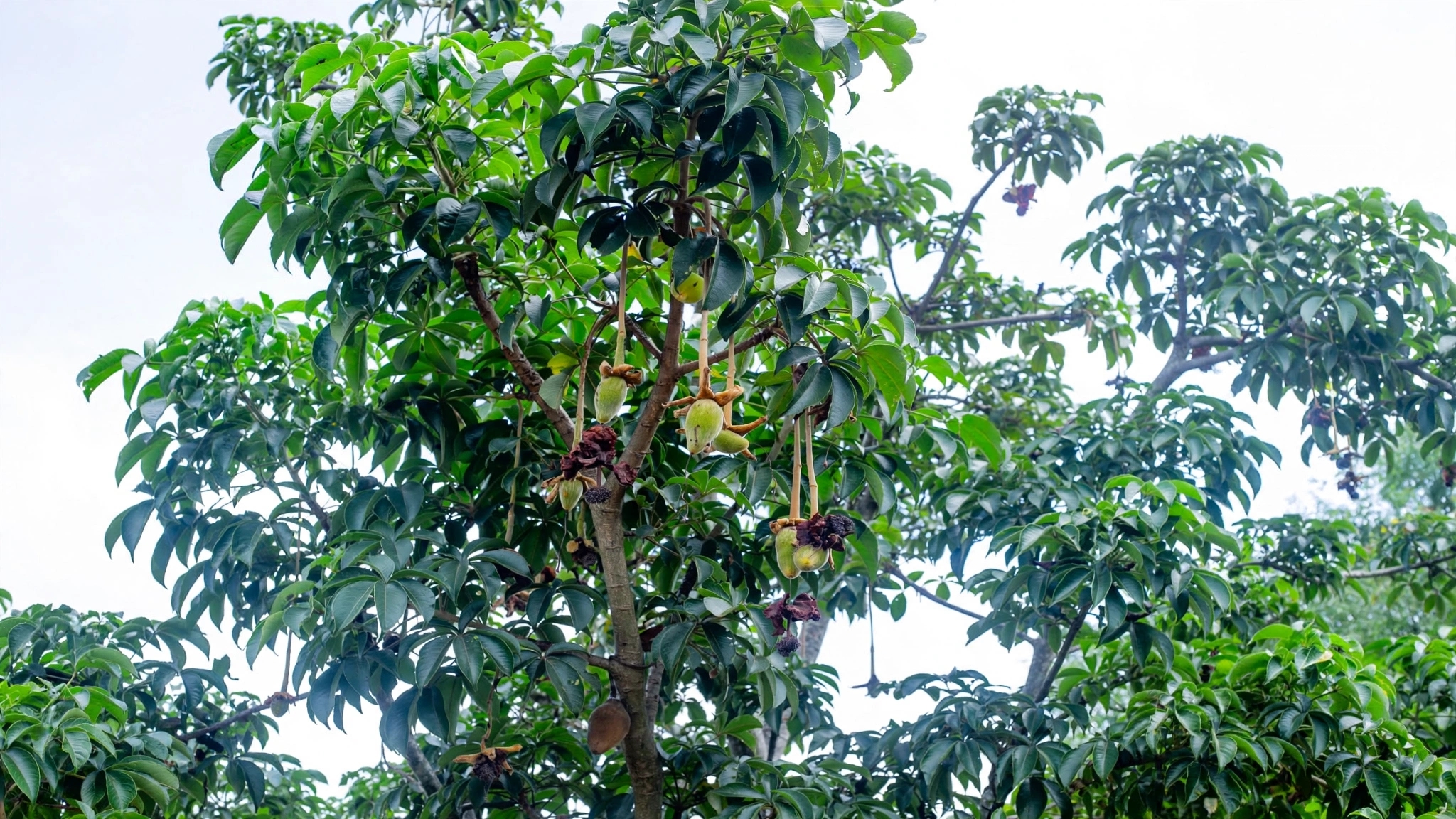
Ho Technical University (HTU) has launched Ghana’s first Baobab Mapping Project (BAOMAP), aimed at establishing a validated national inventory and atlas of baobab populations.
The project, launched on Monday, 5th October 2026, is funded by the Ministry of Culture and Science of the State of North Rhine‑Westphalia, Germany, through the Rhine‑Waal University of Applied Sciences, at the cost of €54,000. It is being undertaken in partnership with the Centre for Scientific and Industrial Research (CSIR) and Rhine‑Waal University, with the German institution providing remote sensing expertise, training, and validation, while coordinating the international collaboration that secured the funding support.
Vice-Chancellor, Prof. Ben Q. Honyenuga, who formally launched the project, highlighted HTU’s pioneering role in baobab research, noting that the University’s breakthroughs have reduced the tree’s gestation period to 27 months, compared to the traditional two decades.
He described the baobab value chain as rich with opportunities for nutrition, commerce, and livelihoods, and emphasized that geo‑mapping baobab plants across the country will provide the evidence base needed for conservation, sustainable use, and investment. Prof. Honyenuga commended the project partners for initiating BAOMAP and expressed hope that the collaboration will yield lasting national benefits.
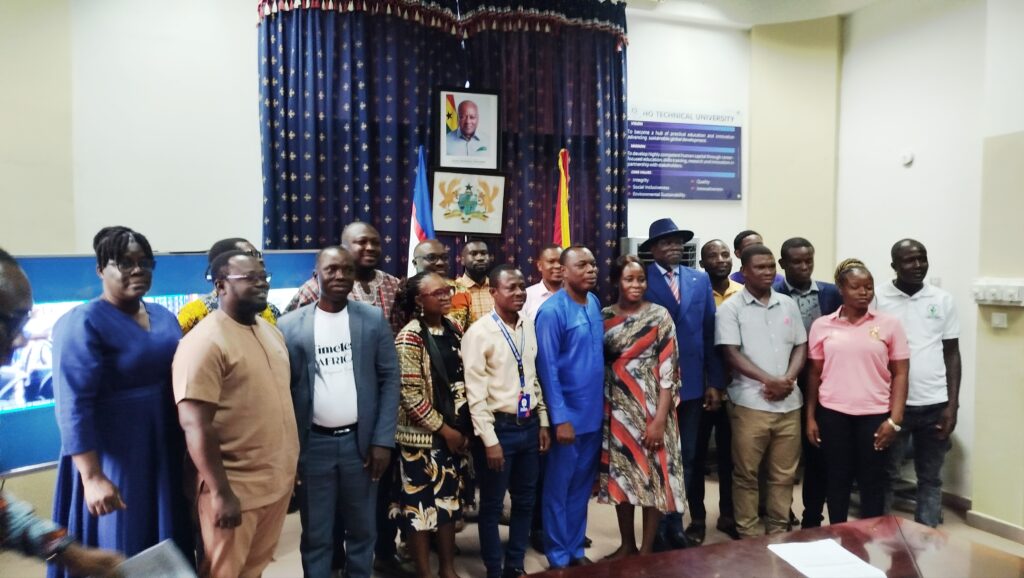
Project Lead, Prof. Kenneth Fafa Egbadzor, explained that the three‑month nationwide project will engage resource persons from the Ministry of Food and Agriculture, CSIR, Dr. Hila Limann Technical University in Wa, and the Bolgatanga Technical University to support data collection in their respective regions. He stressed that BAOMAP is not merely about counting trees but about building a reliable evidence base, strengthening national capacity, and leaving behind a sustainable system that will serve Ghana for generations.
Prof. Egbadzor also disclosed that the project will explore the cultural and tourism significance of the baobab, positioning it not only as a biological resource but also as a heritage symbol with potential to enrich Ghana’s tourism economy. He appealed to stakeholders across the country to support field access and community participation, ensuring that BAOMAP’s outputs translate into national value.
Delivering the keynote, Dr. Daniel Ashie Kotey, Director of CSIR‑Plant Genetic Resources Research Institute (PGRRI), underscored the urgency of documenting baobab populations amid rapid land‑use changes in Ghana’s savannah zones. He reminded participants that “a tree that has lived for centuries can be lost in a day, and a population can be lost without anyone noticing,” stressing that BAOMAP will provide credible baseline data to support conservation, domestication, commerce, and resilient livelihoods.
He elaborated that the project combines “the view from above and the view from the ground,” with satellite imagery detecting baobab crowns and field teams verifying and recording at least 10,000 georeferenced trees. The resulting national geodatabase, population‑density maps, regeneration hotspots, and threat‑risk layers would form the basis of a National Baobab Atlas and open‑access platform. He further emphasized that the project’s success would depend on engaging communities, documenting traditional knowledge, and ensuring that the data generated is credible, usable, and sustainable.
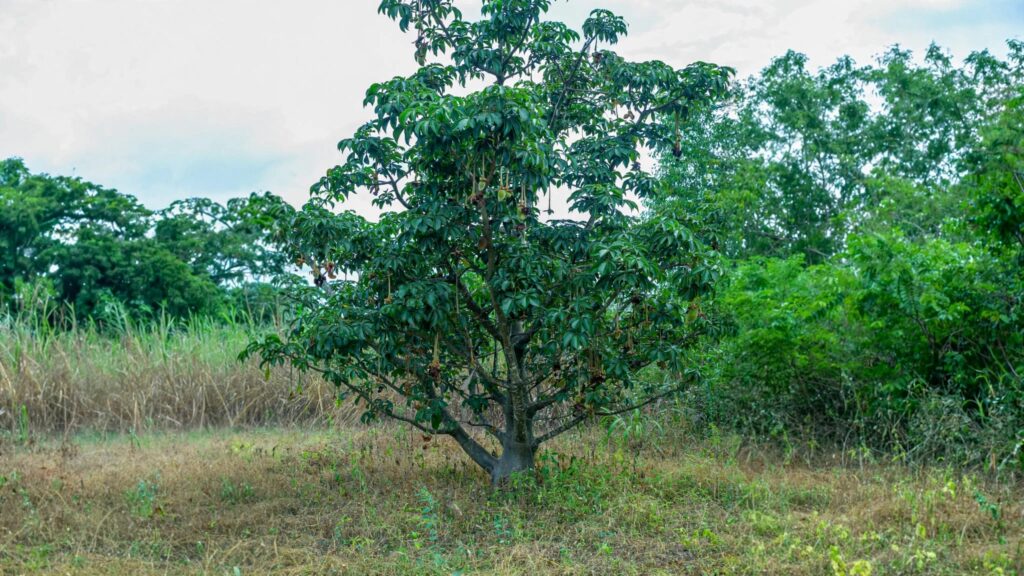
Prof. Mathias Kleinke of Rhine‑Waal University, who joined virtually, commended HTU and the baobab research team for their commitment and assured continued support from his institution.
The launch of BAOMAP is more than a scientific milestone; it is a reminder that Ghana’s heritage trees are living archives of resilience, culture, and identity. By mapping baobabs not only for their ecological and economic value but also for their cultural and tourism significance, HTU and its partners challenge the nation to see conservation as a pathway to prosperity. The question that lingers is whether Ghana will harness this atlas to build a future where baobabs stand as both guardians of biodiversity and pillars of cultural pride.
(C) Directorate of Public Affairs